
Stress-Reducing Superfoods
Nutrition

As medical science learns more about health and disease, we are discovering more about how much our food choices and digestive health affect our overall wellness. For example, we now know that disruption of the natural balance of the micro-organisms that live in our digestive system (our microbiota) brought on by poor food choices can initiate and propagate inflammation that is transmitted to the body. This inflammation has been found to play a causative role in weight gain and obesity, diabetes, inflammatory disorders, and even substance addiction.
Our food choices play a large role in helping us maintain a healthy balance of our microbiota, thereby preventing a number of potential health problems. However, there is much more that healthy food choices can do to help us stay healthy and fit. Many of the micronutrients found in some foods have biochemical properties that make them especially healthful. There are some foods that contain especially potent micronutrients or remarkably dense quantities of micronutrients. These are known as “superfoods,” and we’ll talk about how we can use them to help reduce the effects of stress on our body and mind.
How Stress Affects Us
Our body’s stress system evolved to protect us from danger by giving us a sudden burst of energy, awareness, and anxiety in the face of danger. This stress mechanism is referred to as our fight or flight response, because it makes us temporarily excitable so we can fight the danger or run away from it. This worked well for our distant ancestors when they faced life-threatening situations, but in today’s world, most of us don’t face such threats all that often. Unfortunately, our body overreacts with the same anxiety response to events that aren’t life-threatening, such as traffic jams, pressure at work or at home, arguments, and other routine stressors.
Our brain responds to stress by engaging its stress system (the hypothalamic-pituitary-adrenal (HPA) stress axis), which results in the release of stress hormones (primarily cortisol and adrenaline). This results in a sudden state of arousal meant to make us ready to respond to a perilous situation.
It is normal to feel stress in a moment of emergency, such as in a close-call car accident. In such situations, the body’s stress response provides a burst of alertness and energy so that we can act fast and steer our car to avoid a mishap. Our heart beats faster, our blood pressure spikes, we breathe faster, and we have heightened awareness. However, as soon as the danger passes, the stress response stands down, and everything in our body goes back to normal.
When we face a life stressor—such as conflict at work, or financial struggles at home—it is normal to feel a stress response that calms once we’ve dealt with the problem. Unfortunately, people tend to mount an ongoing stress response to even minor daily stressors, which can accumulate as the effects of stressors accumulate. This is especially so if the stressors are chronic or recurrent, such as marital problems or financial concerns.
When we’re chronically stressed, the stress response continues day and night. This even happens with chronic low-level stress. The hormones that create the stress response continue to be released and don’t back down. So, our body and mind become like a car engine idling dangerously fast with a stuck gas pedal.

Stress’s Effects on Our Health
The stress hormone cortisol is toxic to our physical and mental health when it’s continually released due to ongoing poorly managed stress. It causes elevated blood sugar and promotes the buildup of body fat. These can contribute to the development of obesity and diabetes. Cortisol also impairs the immune system, making us more likely to get sick and stay sick.
Epinephrine, which is also continually released in poorly handled chronic stress, elevates blood pressure and speeds up the heart rate, which may damage the heart and blood vessels and increase the risk of heart attack and stroke. The stress hormones also disrupt digestive function, sleep, and brain function, especially memory and concentration. These effects can make us less able to handle stress; in other words, the continual release of stress hormones makes us less able to handle stress. A vicious cycle develops when we’re overstressed.
Stress effects on our mental health range from impaired concentration, irritability and aggression, poor sleep, feeling overwhelmed, and negative thinking (such as pessimism), to more serious mental health struggles such as anhedonia (the inability to feel pleasure), depression, anxiety, an acute stress reaction (post-traumatic stress disorder (PTSD) symptoms lasting less than a month), and PTSD.
What Can We Do About Stress?
Avoiding stress may sound like a good idea, but it's unrealistic to expect to go through life without stress. Rather, it is our stress resilience—our ability to handle stress without it affecting our health—that determines its effects on us.
We should seek stress-coping strategies that help us relax and stand down the stress response. These are things like sports, exercise, spending time with friends, and hobbies. However, it turns out that our diet can have a big impact on our stress levels as well.
Dietary intake has a bidirectional relationship with stress. Our diet influences our stress response through direct effects, and conversely, stress can influence our diet. Many people cope with stress by seeking comfort in foods, which tends to lead to overeating unhealthy food choices. This unhealthy overeating leads to the inflammatory response in the gut that causes health problems and brain dysfunction.
Stress-Reducing Superfood Choices
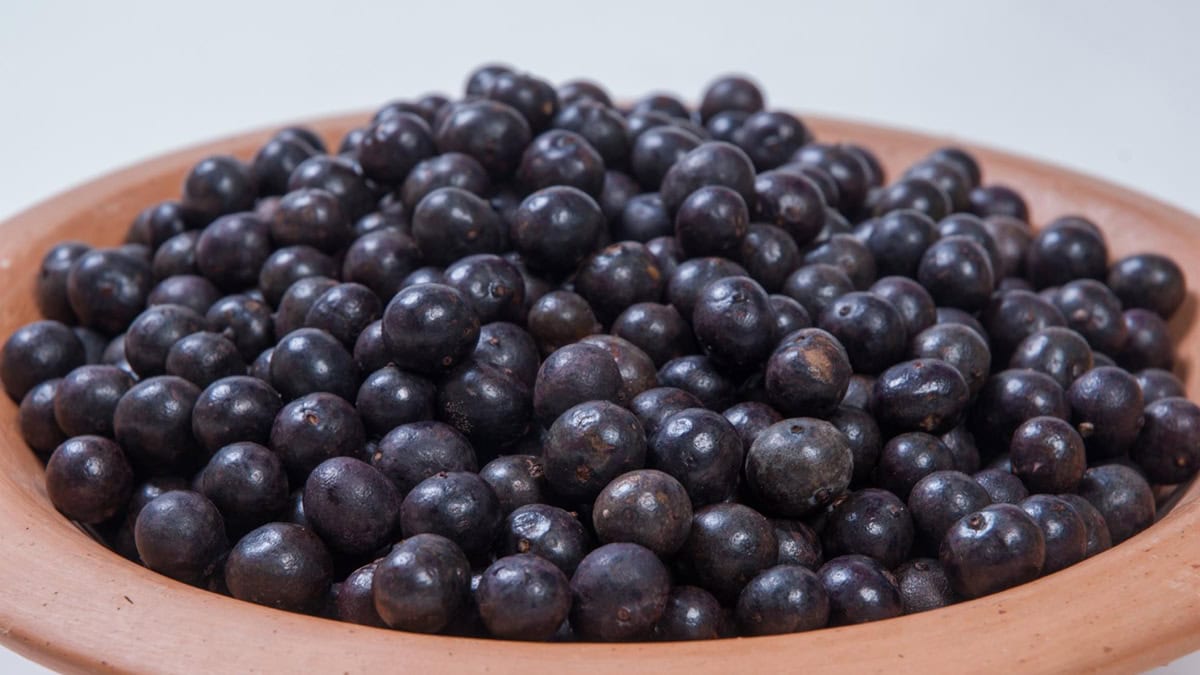
While there is no official definition of superfoods, these are nutrient-dense foods that are rich in vitamins, minerals, antioxidants, and fiber. Some have special compounds unique to that food that make it especially healthful. For example, açaí berries, found on the açaí palm tree in the Amazon rainforest, are rich in the potent antioxidants known as anthocyanins.
Superfoods are known for their contribution to heart health, disease prevention and control, and even stress reaction reduction. We should incorporate them into our diet by choosing a variety of them to ensure we get optimal benefits.
PUFAs
These are types of fats known as polyunsaturated fatty acids (PUFAs). While most dietary fats are not healthy for us, PUFAs are known as “essential fatty acids” because our body needs them but cannot produce them. That means we rely entirely on our diet to get these necessary nutrients. There are two types of PUFAs: omega-3 fatty acids and omega-6 fatty acids. PUFAs are an important part of many body functions, including:
- Producing new body cells
- Nerve function
- Blood clotting
- Brain function
- Immune function
- Absorption of vitamins from the diet
- Lowering bad cholesterol
- Regulation of inflammation
- Lowering the risk of heart disease and stroke
Superfoods that are rich in PUFAs include:
- Fatty fish: Such as salmon, mackerel, or sardines
- Nuts and seeds: Such as flaxseed, chia seeds, and walnuts
- Plant-based oils: Such as corn oil, sunflower oil, and canola oil
The high presence of PUFAs is likely a large part of the reason that the Mediterranean diet has proven effects on our physical and mental health, including the reduction of stress-related mental struggles. The Mediterranean diet is a largely plant-based style of eating that emphasizes vegetables, fruit, legumes, whole grains, nuts, olive oil, and moderate amounts of fish.

The PUFA-rich Mediterranean diet has been associated with better stress tolerance and reduced incidence of stress-related mental illness, especially depression. As well, the Mediterranean diet has been associated with a 43% improvement in sleep, which is a significant factor for stress tolerance. The diet has also been linked to improvement in brain neurotransmitter levels that are associated with stress, anxiety, and depression. Neurotransmitters are the brain chemicals that play a significant role in our mood and mindset.
Antioxidants
Antioxidants are chemicals that scavenge and neutralize “free radicals” in our body. Free radicals are toxic chemicals that arise within our body as a result of metabolism and from exposure to environmental toxins, such as cigarette smoke, ultraviolet (UV) radiation in sunlight, and air pollutants. They cause significant destruction of tissues in our body; for example, they are largely responsible for the skin effects associated with aging, and they cause many types of cancer by disrupting DNA.
Our body makes antioxidants of its own, but the balance in today’s world favors free radicals. Therefore, getting antioxidants in our diet is a significant way to prevent or control disease, deal with stress, and even slow the effects of aging.
Examples of especially powerful dietary antioxidants include beta-carotene (a precursor to vitamin A), lycopene (a red pigment found in tomatoes and watermelon), and vitamins A, C, and E. Another example is the class of antioxidants known as polyphenols, which include such compounds as flavonoids (found in teas and berries), and resveratrol (found in grapes and red wine).
The potent effect of antioxidants in stress reduction has been well-established in the research literature. They are particularly effective at reducing stress-related disorders such as depression and anxiety. The substantial anti-anxiety effect of antioxidants suggests their potential for helping us calm down in times of stress.
Dietary antioxidants primarily come to us from fruit, vegetables, berries, teas, spices and herbs, chocolate, and nuts. Those that are especially rich in antioxidants may be considered superfoods, for example:
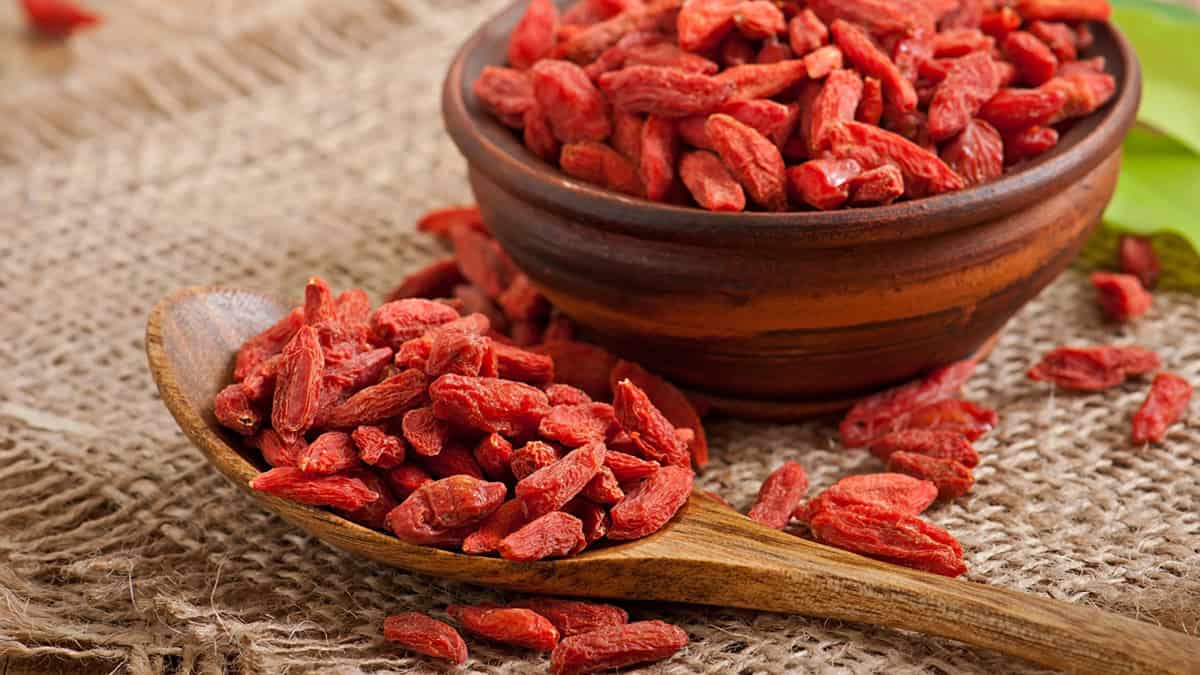
- Berries, especially Goji and açaí berries
- Green tea
- Dark chocolate
- Kale
- Broccoli
- Walnuts
- Pecans
- Legumes (such as peas, beans, lentils, chickpeas, and peanuts)
- Artichokes
- Beets
- Spinach
- Okra
Here are some tips for adding antioxidants to your diet:
- Make fruit, vegetables, whole grains, and nuts a daily part of your diet
- Eat a variety of colors of fruit and vegetables
- Add green tea to your diet
- Choose chocolate that has at least a 70% cocoa content and is low in sugar
- Be careful with high-dose antioxidant supplements—getting too much of a specific type at once may be harmful
Dietary Fiber
Dietary fiber’s primary benefit for stress reduction is that it binds unhealthy saturated fats (those that are solid at room temperature; mostly animal fats) in our digestive system and carries them through so that they are not absorbed into our body. Perhaps partly for this reason, dietary fiber has been associated with a significant reduction in the risk of depression, a common stress reaction, and may have a similar beneficial effect for anxiety reduction.
Sources rich in dietary fiber include leafy greens, whole grains, and berries. Superfoods that are especially rich in fiber include:
- Lentils
- Avocado
- Artichokes
- Broccoli
- Sweet potato
- Chickpea
- Chia seeds
Healthy Diet and Healthy Weight
It's true that a healthy body houses a healthy brain and mind. If we supply our body and brain with the antioxidants and other nutrients they need, we will have a clearer and higher-functioning mind for dealing with life’s stressors.
Being overweight is known to generate considerable stress for the brain and mind, as it's associated with higher levels of stress hormones, systemic inflammation, disrupted neurotransmitter function, and depression. The same kind of healthful diet we can use to help us de-stress can also play a role in losing weight or keeping our weight healthy. For example, the Mediterranean diet has been associated with weight loss and long-term maintenance of weight loss.
Besides the positive effects of a healthy weight on our ability to handle stress, a diet rich in PUFAs and antioxidants (such as the Mediterranean diet) can also help us de-stress when times are tough. As well, a healthy diet low in saturated fats helps us to head off any undue stress intolerance related to our diet.
Take-Home Message
Superfoods are nutrient-dense food choices that are packed with PUFAs, antioxidants, or fiber, or sometimes all three. The salutary benefits of incorporating superfoods into our diet are many, including physical effects and improvements in our mental function and resilience to stress. Anyone who has high stress levels or is bothered by chronic stress should consider incorporating superfoods into their diet as part of their overall stress-coping strategy.


