
If Your Dog Is Incontinent, These Are Your Medication Options
pet medications
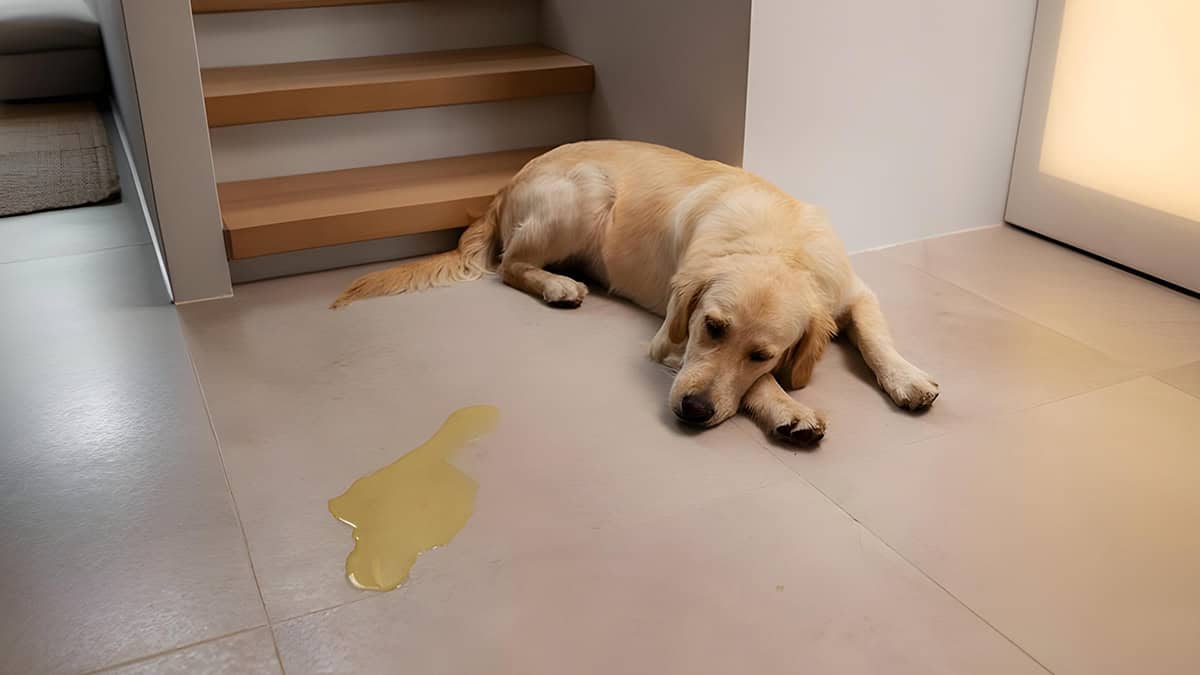
Discovering that your dog is leaking urine can be, quite understandably, upsetting.
It can also be confusing.
Accidents on the floor, damp bedding, or urine dribbling while your dog sleeps often catch owners off guard, especially when a dog has been well house-trained for years.
If you’re dealing with dog incontinence, you’re not alone, and let’s get one thing straight: You’re not doing anything wrong.
Urinary incontinence in dogs is a medical issue, not typically a behavior problem.
It’s especially common in older dogs and spayed female dogs, but it can affect dogs of many ages and breeds.
The good news is that dog incontinence treatment often starts with medication, and many dogs respond well once the right option is found.
Today, we’re going to get you the information you need to find that right option. Here, we’ll focus on incontinence meds for dogs: What veterinarians typically prescribe, how these medications work, and how they differ from one another.
Canine Incontinence 101: What Causes Urinary Incontinence in Dogs?
Urinary incontinence happens when a dog loses the ability to fully control their urine flow.
This often occurs because the dog’s muscles, or specifically the ones that usually keep urine tightly in their bladder, aren’t closing well enough.
This can happen for a few reasons, including:
- Weakening urethral sphincter muscles, especially in spayed female dogs
- Hormonal changes, which can affect muscle tone
- Age-related changes, including decreased muscle strength
- Neurologic or structural issues (though this is less common).
When you first start talking to your vet about potential reasons behind your dog’s incontinence, they will start giving your dog tests to help rule out infections, bladder stones, or other conditions that can mimic incontinence.
Once those are ruled out, medication is often the next step.
How Do Dog Incontinence Meds Work?
For many dogs, medication is the most effective and least invasive way to manage urinary incontinence.
Incontinence meds for dogs are designed to improve bladder control by addressing the underlying cause, such as, for example, low muscle tone or hormonal changes.
Veterinarians often start with medication because:
- Many dogs show noticeable improvement
- Treatment doesn’t require surgery
- Quality of life can improve quickly
That said, no single dog incontinence medication works for every dog.
The med that works best for your dog will depend on several things, not limited to but including your dog’s sex, size, age, overall health, and the suspected cause of their incontinence.
Here are a few of the options you may consider.
Proin for Dogs (Phenylpropanolamine)
Proin, one of the most commonly prescribed medications for urinary incontinence in dogs, works by increasing the tone of the urethral sphincter. (That’s the muscle that helps keep urine inside the bladder.)
Proin is often used for:
- Spayed female dogs with bladder incontinence
- Some male dogs, depending on the underlying cause
By strengthening the muscle that controls urine flow, Proin can reduce or stop leakage, particularly when a dog is resting or sleeping.
Important things to know about Proin:
- Proin is prescription-only
- Dosing is based on your dog’s weight and response
- Dogs with certain heart conditions may require extra monitoring
Proin is effective for many dogs, but like all medications, it doesn’t work for everyone…which is why veterinarians consider other options when needed.
You can buy brand-name Proin through NorthWestPharmacy.com for about $1.00 per pill.
Incurin for Dogs (Estriol)
Unlike Proin, which works on muscle tone, Incurin can address your dog’s incontinence by providing hormonal support.
Here’s how:
Incurin contains estriol, which is a short-acting form of estrogen.
After spaying, some female dogs experience a drop in estrogen levels, which can weaken their tissues and muscles – yes, including those involved in urinary control.
In these cases, restoring a small amount of estrogen can help improve bladder closure and reduce leakage.
Incurin is most often considered for:
- Spayed female dogs with hormone-responsive incontinence
- Dogs who don’t respond well to Proin
- Dogs who experience side effects with non-hormonal options
One important difference with Incurin is how it’s typically dosed.
Veterinarians often start with a daily dose to see how your dog responds to the drug.
Over time, you’ll then work with your vet to monitor your dog’s symptoms, then adjust to the lowest possible dose of the drug that still helps your dog feel better.
You can buy brand-name Incurin through NorthWestPharmacy.com for about $1.10 per pill.
Proin vs Incurin: How Vets Decide Between Them

Proin vs Incurin … which is best?
Unfortunately, there’s no simple and objective answer to this question.
Each of these medications works a bit differently.
Vets choose between them based on a dog’s specific situation.
When your vet is making that decision, they’ll weigh different considerations – including:
- How the medication works. Proin increases urethral muscle tone, while Incurin supports hormone-responsive tissue strength.
- Your dog’s sex and spay status. Incurin is typically used in spayed female dogs, while Proin may be used in both males and females.
- Your dog’s side effect profile and tolerance. This is, again, unique to your dog. Side effects that are nonstarters for some dogs might be nonissues for others.
- Your dog’s response to previous treatments, if any. If your dog has taken incontinence medications before, be sure to tell your vet so they can take that into account.
If this is your dog’s first time with incontinence meds or if your dog tends to be sensitive to medication, your vet may recommend trying one medication and then reassessing after a few weeks.
(Word to the wise, though – if your vet is doing this, it’s part of a structured plan with healthcare provider oversight. Switching or adjusting medications should always be done under veterinary guidance!)
Other Incontinence Medications Vets May Use in Dogs
Proin and Incurin are two very commonly prescribed medications for canine incontinence.
They aren’t the only medications veterinarians may consider in certain cases.
If you need to think slightly outside the box, you might consider…
Imipramine
Imipramine is a tricyclic antidepressant, first and foremost – but, when used off-label under the supervision of a healthcare professional, it can sometimes have helpful effects on bladder function.
In dogs, imipramine can help improve urinary control by increasing sphincter tone and affecting bladder muscle activity.
Your vet may consider imipramine for your dog:
- When first-line options aren’t effective
- In specific cases based on a dog’s overall health
Because it wasn’t originally developed for incontinence, imipramine requires careful dosing and monitoring for side effects such as sedation or changes in appetite.
You can buy Imiprimine generic through NorthWestPharmacy.com for less than $0.50 per pill.
Diethylstilbestrol (DES)
Diethylstilbestrol, which is commonly abbreviated as DES, is a synthetic estrogen that may be used in female dogs with urinary incontinence when other treatments haven’t worked.
Here’s what you need to know about DES:
- It’s used less commonly today
- Requires close veterinary oversight
- Not appropriate for all dogs
When DES is prescribed, veterinarians typically use the lowest effective dose and monitor closely to minimize risk.
What Medication Won’t Fix (And Why Follow-Up Matters)
Dog incontinence medication can be very effective.
It’s also important to understand its limits.
Not all urinary leakage is caused by the same underlying issue, after all.
And incontinence medication works best when the way the medication works matches the identified cause of urinary leakage.
In some cases, incontinence may be related to:
- Structural abnormalities of the urinary tract
- Neurologic conditions affecting bladder control
- Chronic infections or bladder stones
When these issues are present, medication alone may not fully resolve symptoms.
That’s why follow-up visits with your veterinarian matter.
They allow your vet to confirm the diagnosis, assess how well the medication is working, and decide whether adjustments or additional tests are needed.
Follow-up is also important because incontinence treatment is often long-term.
A medication that works well initially may need dose adjustments over time as your dog ages or health changes.
Signs Your Dog’s Incontinence Treatment Is Working (Or Needs Adjustment)
Once your dog begins treatment with incontinence meds, you should notice changes occurring relatively rapidly. (Many pet owners see their dogs feeling more comfortable within a few weeks.)
That said, every dog is different.
Just a few signs that your dog’s treatment may be working include:
- Fewer or no urine accidents indoors
- Dry bedding and sleeping areas
- Less licking or irritation around the hindquarters
On the other hand, it’s time to check back in with your veterinarian if you notice:
- Little or no improvement after the initial trial period
- New symptoms such as restlessness, appetite changes, or behavioral shifts
- A return of accidents after a period of good control
Living With a Dog Who Has Incontinence: Practical Tips That Support Medication
Day-to-day management of your dog’s condition will play a big part in their treatment and recovery – as much so as medication.
This is particularly true while you’re waiting to see how well a medication works or if adjustments are needed.
Here’s what we recommend:
Managing Accidents Without Stress
Accidents can be frustrating. (For everyone involved!)
Remember that even though it may feel intuitive, punishment or scolding usually won’t help at all.
Dogs with urinary incontinence usually have no awareness or control over the leakage.
If you’re in need of a helpful strategy to manage accidents, consider:
- Taking dogs out to urinate more frequently, especially before bedtime
- Using washable dog beds or waterproof liners
- Keeping absorbent pads in commonly used sleeping areas
Reducing stress around accidents helps preserve trust and lowers anxiety for dogs who may already feel uncomfortable.
Skin Care and Hygiene Matter More Than You Might Expect
Chronic urine exposure can irritate a dog’s skin, leading to redness, rashes, or secondary infections.
This is especially common around the hind legs, belly, and tail area.
If you suspect that chronic urine exposure could be leading to uncomfortable side effects for your dog, it may be time to:
- Gently clean affected areas with warm water and pet-safe wipes
- Thoroughly dry the skin after cleaning
- Trim fur in problem areas to reduce moisture buildup
If you notice redness, odor, or sores, it’s important to let your veterinarian know.
These issues don’t mean your dog’s treatment has failed. Rather, they may simply require additional skin care or temporary adjustments.
Dog Diapers and Belly Bands: When They Help (And When They Don’t)
Some owners use dog diapers or belly bands as part of managing bladder incontinence in dogs, especially overnight or during travel.
These products can be useful in select scenarios … like, for example:
- As a temporary solution while medication is being adjusted
- For dogs with occasional leakage rather than constant dribbling
- During times when frequent outdoor breaks aren’t possible
However, they aren’t a long-term substitute for treatment.
How Long Does It Take for Incontinence Medication to Work?
One of the most common questions pet owners have is how quickly they should expect results after starting their dog on incontinence medication.
While every dog is different – some dogs show improvement within days, others may take several weeks to reach consistent control – the general answer is “soon.”
There will be a waiting period, and that’s normal. Your vet may also start with conservative dosing and adjust gradually to find the balance between effectiveness and tolerance.
It can also be helpful to keep a log of your dog’s accidents to have hard data to look at over time. (Sometimes it’s difficult to get a sense for whether something’s actually changing unless you have numbers to work with.)
When to Re-check With Your Veterinarian
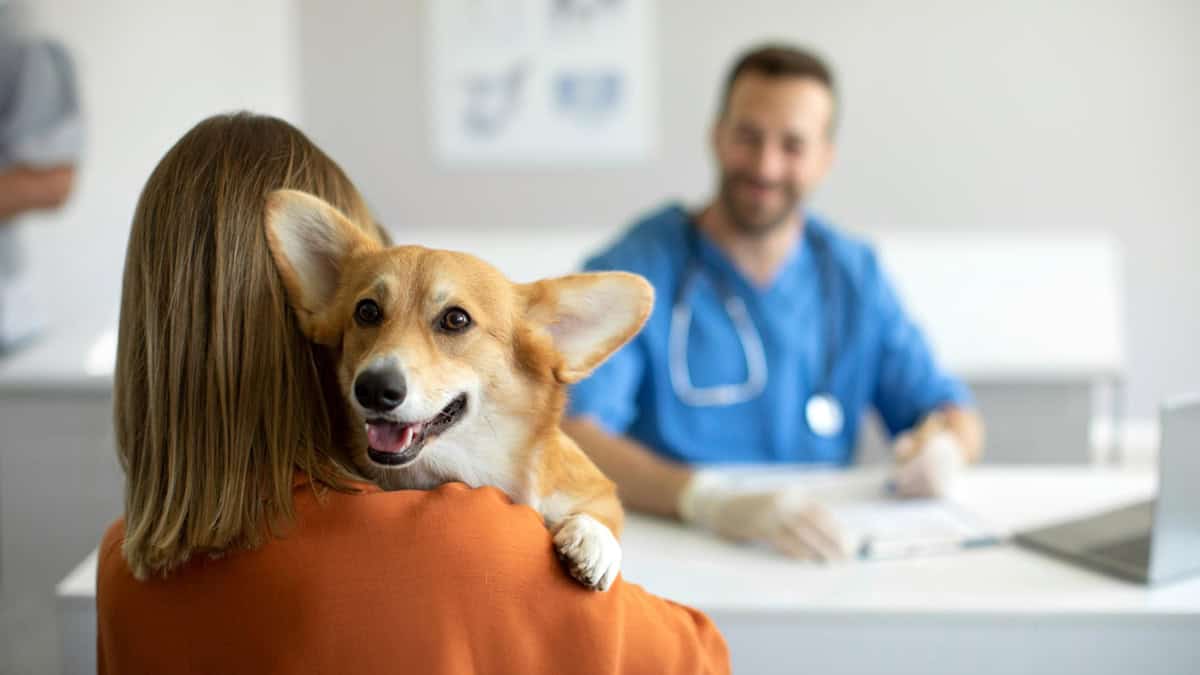
Even when your dog’s medication seems to be working, it’s important to work with your vet to complete periodic check-ins for them anyway. (This is especially important if your dog is on long-term treatment.)
Contact your vet if:
- Incontinence suddenly worsens
- New symptoms appear
- Your dog’s health status changes
- You’re running into challenges giving the medication consistently
Getting Dog Incontinence Medication Safely and Consistently
If you’re a pet parent and you’re interested in finding the medication your dog needs to manage their incontinence, we’re ready to be of service.
NorthWestPharmacy.com provides reliably low-cost access to a wide variety of veterinary medications (and human medications, too!)
Once you have a valid prescription for your dog’s treatment, check out what we have to offer. If you have any questions about your prescription, our pharmacists would be delighted to assist. The entire team here at NorthWestPharmacy.com looks forward to supporting your dog’s healthcare journey.


