
Cat Puke Problems? The Best Anti Nausea Meds for Cats
pet medications
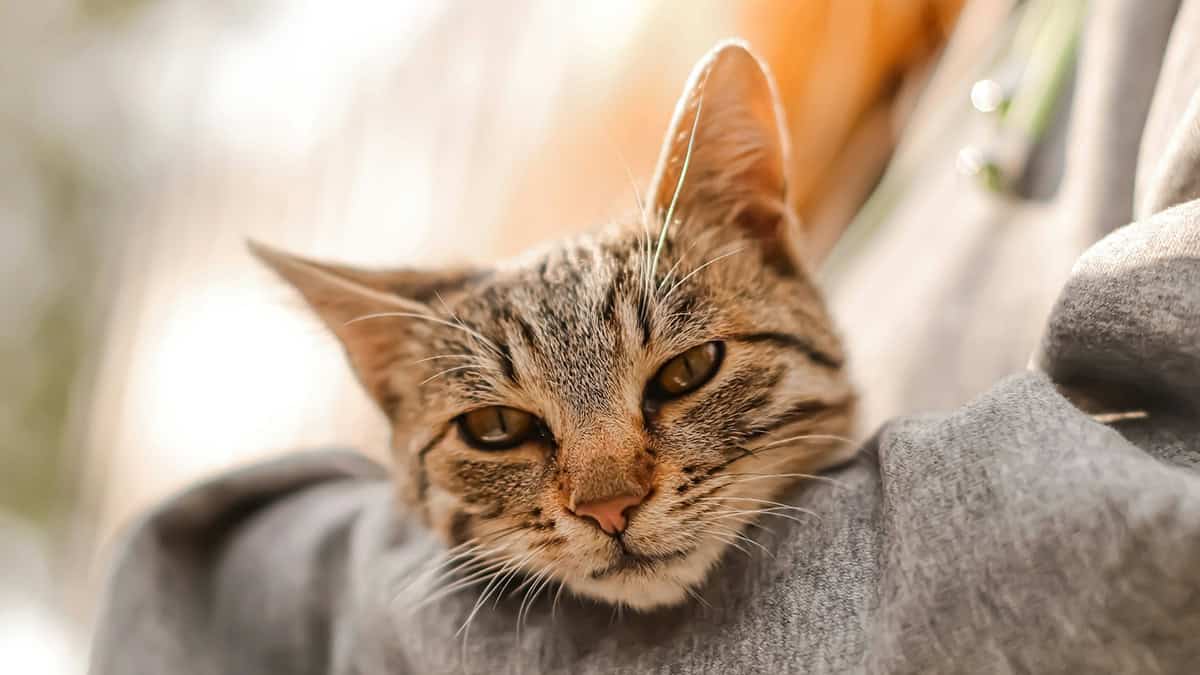
If your cat is vomiting, gagging, drooling, or suddenly refusing food, it’s natural to worry.
These are all objectively worrisome situations.
Vomiting is one of the most common reasons cats are taken to the vet, but what many owners don’t realize is that nausea in cats doesn’t always look dramatic. In fact, many cats feel nauseous long before they actually throw up.
One thing that pet parents turn to, when in these situations, is to start searching online for affordable anti nausea meds for cats.
These medications are designed to control nausea and vomiting, improve comfort, and help cats maintain hydration and nutrition while the underlying cause is diagnosed or treated.
They are not quick fixes for every hairball or upset stomach, but they can play a very important role in managing both acute and chronic illness.
Signs of Nausea in Cats (...It’s Not Just Vomiting)
One of the challenges with feline nausea is that cats are very (very!) good at hiding discomfort.
By the time vomiting occurs, your cat’s nausea may have been building for hours or even days.
Common signs of nausea in cats include:
- Lip licking or excessive swallowing
- Drooling
- Hiding or reduced interaction
- Loss of appetite or food aversion
- Lethargy or unusual stillness
- Sitting hunched or appearing uncomfortable
Because these signs can be subtle, nausea is often mistaken for pickiness or mild illness.
If you’re able to look close, though, and recognize your cat’s symptoms earlier, you’ll be able to reasonably seek treatment sooner – which can, in turn, prevent dehydration, weight loss, and worsening illness.
When Do Cats Need Anti Nausea Medication?
Not every episode of vomiting requires medication.
Occasional hairballs or a single upset stomach may resolve on their own.
That said, your vet may be more likely to recommend anti-nausea meds for cats when your particular cat’s symptoms are persistent, severe, or linked to an underlying medical condition.
Common situations where anti-nausea medication may be prescribed include:
- Repeated vomiting within a short period
- Chronic kidney disease-related nausea
- Pancreatitis or gastrointestinal inflammation
- Post-surgical recovery
- Medication-related nausea
- Chronic illnesses that reduce appetite and comfort
Importantly, when your vet prescribes anti-nausea treatment, the goal of that treatment isn’t just to stop your cat from vomiting.
It’s also, usually, not the sole goal to treat whatever’s actually causing your cat to vomit.
Instead, the anti-nausea treatment is there just to help keep your cat well enough to eat, drink, and recover while your care team figures out a way to address the root cause of their discomfort.
How Veterinarians Choose the Right Anti-Nausea Med for Cats
There is no single best medication for every cat.
That’s not a thing for humans, and it’s not a thing for felines, either.
Instead, your cat’s veterinarian will choose an anti-nausea treatment for your unique cat based on several unique-to-them factors, like the cause of their nausea, the severity of their symptoms, and whether your cat can tolerate oral medication.
Then, of course, there’s whatever you specifically need the anti-nausea treatment to do.
Some medications primarily stop vomiting.
Others target the sensation of nausea more directly.
In more complex cases, veterinarians may even use a combination approach to improve symptom control.
Cerenia (Maropitant): The Most Common Anti Nausea Med for Cats
Cerenia (maropitant) is one of the most widely prescribed anti-nausea meds for cats.
Veterinarians frequently use Cerenia to control vomiting and reduce nausea in a variety of feline conditions, from acute stomach upset to chronic illnesses like kidney disease or pancreatitis.
Cerenia works by blocking specific signals in the brain that trigger the vomiting reflex.
This makes it especially effective for:
- Acute vomiting episodes
- Nausea related to systemic illness
- Post-surgical nausea
- Chronic conditions that affect appetite and comfort
In addition to these extremely useful indications, vets tend to choose Cerenia for cats for its relatively long duration of action.
In many cases, a single dose can provide relief for about 24 hours, helping stabilize cats that might otherwise continue vomiting or refuse food.
Cerenia’s also available in both injectable and tablet forms, which helps healthcare teams tailor treatment based on how sick the cat is and whether oral medication is practical.
You can buy brand-name Cerenia through NorthWestPharmacy.com for just under $1.00 per pill.
Zofran (Ondansetron): A Strong Option for Persistent Nausea
Zofran, or the active ingredient ondansetron, is another important anti-nausea medication used in feline medicine.
Unlike some medications that primarily suppress vomiting, ondansetron directly targets nausea pathways in the body, making it particularly useful in chronic or severe cases.
Veterinarians may prescribe ondansetron for:
- Chronic kidney disease-related nausea
- Chemotherapy-associated nausea
- Persistent vomiting that doesn’t fully respond to first-line treatment
- Gastrointestinal disease with ongoing nausea
Ondansetron works on serotonin receptors involved in nausea signaling, which is a bit of a different mechanism than Cerenia’s.
Since this is the case, vets may decide to prescribe ondansetron on its own or alongside other medications to help manage a more complex web of symptoms.
You can buy brand-name Zofran through NorthWestPharmacy.com for about $9.20 per pill and the generic for much less!
Reglan (Metoclopramide): Nausea Relief With GI Motility Support
Your vet may also consider an anti-nausea med called Reglan (or metoclopramide).
This specific drug serves a dual purpose: it helps reduce nausea while also supporting gastrointestinal motility, meaning it can help the stomach empty more efficiently.
Metoclopramide is sometimes used in cats experiencing:
- Delayed stomach emptying
- Functional gastrointestinal disorders
- Chronic vomiting linked to motility issues
Because metoclopramide affects gut movement as well as nausea pathways, it may be particularly useful in cases where digestive slowdown is contributing to symptoms.
However, it is not always the first choice for general nausea compared to medications like Cerenia or ondansetron, which have broader anti-nausea effects.
You can buy metoclopramide through NorthWestPharmacy.com for about $0.25 per pill.
Mirtazapine (Oral & Mirataz): Appetite Support With Anti-Nausea Benefits
When nausea and appetite loss occur together (which is very common in cats!) veterinarians often consider mirtazapine as part of the treatment plan.
While it’s best known as an appetite stimulant, mirtazapine also has anti-nausea properties that can help cats feel well enough to eat again.
Mirtazapine is available in:
- Oral tablet form
- Transdermal gel (commonly known as Mirataz Ointment), which gets applied to the inner ear
The transdermal option is especially helpful for cats that resist pills or are already feeling unwell.
You can buy mirtazapine ointment through NorthWestPharmacy.com starting at about $45.00 for a 5g tube.
Other Anti Nausea Medications Veterinarians May Use
We’ve covered many of the more common anti-nausea meds for cats out there, but if your cat just doesn’t seem to work well with typical options, you may need to think slightly outside the box.
These additional anti-nausea meds may be a good fit for your cat (with your vet’s approval) based on the cat’s diagnosis, medical history, and response to first-line treatments.
Some options may include:
- Dolasetron and granisetron, which act on serotonin pathways similar to ondansetron
- Prochlorperazine or chlorpromazine, which may be used in specific clinical situations under close supervision
These medications are not usually first line for routine vomiting or mild nausea.
Instead, they tend to be reserved for specialized cases where standard therapies are not providing adequate relief.
Supportive Medications That Help Nausea Indirectly
Not all medications given for nausea are true anti-nausea drugs.
Some treatments help nausea in a more roundabout way by addressing stomach irritation, acid buildup, or gastrointestinal inflammation that can worsen nausea symptoms.
For example:
- Famotidine may be used to reduce stomach acid and support GI comfort
- Sucralfate acts as a protective coating for the stomach and intestinal lining
- Dimenhydrinate (occasionally used in motion-related cases) may be considered under veterinary guidance
These medications don’t directly block nausea signals in the brain.
… But they can make the digestive system more comfortable and support overall recovery when used appropriately.
Side Effects of Anti Nausea Meds in Cats: What’s Normal vs Concerning
Most veterinarian-prescribed anti-nausea pet medications are well tolerated in cats, especially when dosed carefully.
Still, mild side effects can occur and are usually temporary.
These side effects can include:
- Slight lethargy or sleepiness
- Reduced activity for a short period
- Injection site sensitivity (for injectable medications)
- Mild appetite or behavior changes
In some cases, there are less common but more concerning effects (think: severe lethargy, ongoing vomiting despite medication, or unusual behavioral changes).
Again, these should be rare.
But, when they do happen, it’s important that they’re reported to a veterinarian as soon as possible.
When Anti-Nausea Medication May Not Be Appropriate
While anti-nausea meds for cats can be very helpful, they are not always the first (or only!) step in treatment.
Vomiting and nausea are symptoms after all, not diagnoses in themselves. In some situations, suppressing symptoms without proper evaluation can delay needed care.
And there are situations where your vet may believe it’s not a good idea to jump right into treatment with medication.
For example, if your vet has reason to believe that your cat might be dealing with:
- A possible intestinal blockage
- Toxin ingestion
- Severe dehydration
- Persistent vomiting with no clear cause
- Significant lethargy or collapse
… then, in these cases, diagnostic testing and stabilization may take priority.
Once serious conditions are ruled out or treated, your vet may decide to treat your cat with anti-nausea medications to help improve their comfort and recovery.
Injectable vs Oral Anti-Nausea Meds for Cats
As your vet helps you figure out which medication is best for your cat, they’ll consider how each medication is administered (and how that works for you and your pet.)
Cats that are actively vomiting or refusing food may not tolerate oral medication well, for example, which is why injectable options are sometimes used first.
Injectable anti-nausea medications:
- Act more quickly
- Are commonly given in veterinary clinics
- Are useful for acute or severe cases
Oral or transdermal medications, on the other hand …
- Are better suited for at-home management
- Are often used for chronic nausea
- Can improve long-term compliance, especially in difficult-to-pill cats
How Veterinarians Manage Chronic Nausea in Cats
Chronic nausea in cats – such as that seen with kidney disease, inflammatory bowel disease, or pancreatitis – tends to require a long-term, multi-step management plan rather than a single medication.
This plan may include:
- Ongoing anti-nausea medication
- Appetite support
- Prescription diets tailored to the underlying condition
- Fluid therapy in some cases
- Regular monitoring and medication adjustments
If your cat is struggling with chronic nausea, your veterinarian may recommend rotating meds like Cerenia, ondansetron, or mirtazapine to maintain comfort and appetite over time.
Accessing Anti-Nausea Meds for Cats Safely
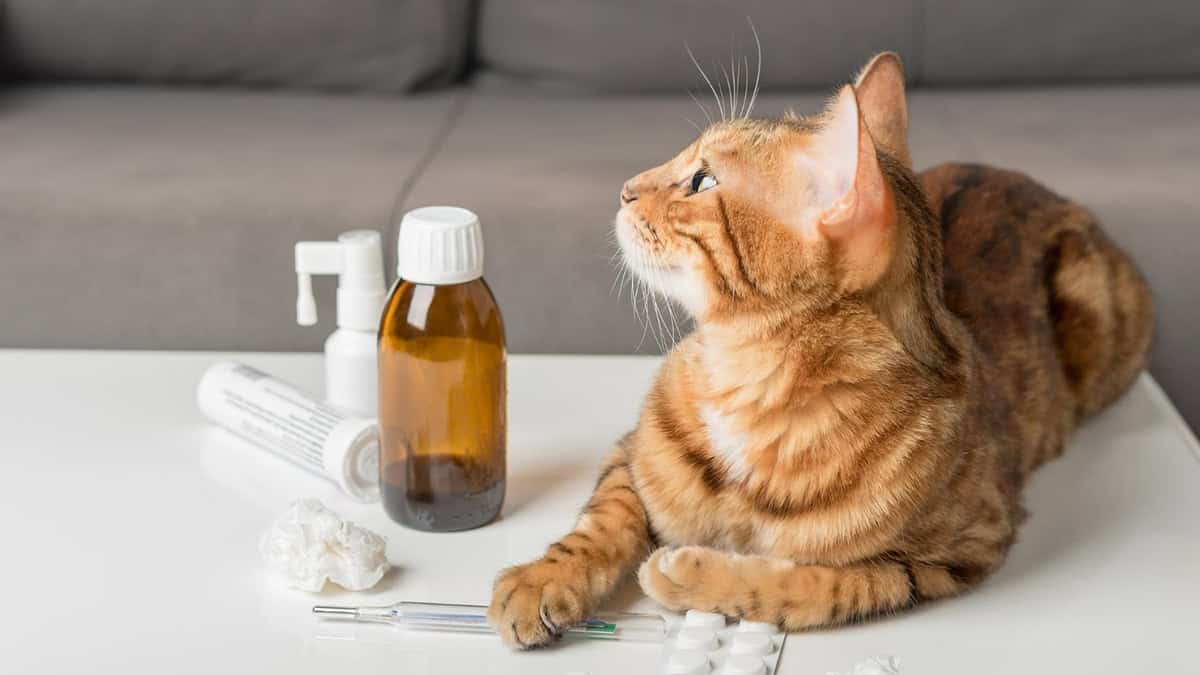
Most of the more effective anti-nausea meds for cats – including maropitant (Cerenia), ondansetron, and metoclopramide – require a veterinary prescription.
That can make it seem like getting these medications are more difficult than, perhaps, necessary.
(That’s not the case! But more on that in a moment.)
Requiring prescriptions for these medications is one way to help promote cat safety.
Cats are more sensitive to medications than many other species. This makes accurate dosing for each unique cat very, very important.
To help make sure that the dosing is correct for your cat, you, as a pet owner, should:
- Follow veterinary dosing instructions carefully
- Avoid using human medications unless specifically prescribed
- Never share medications between pets
- Contact their veterinarian if symptoms worsen or change
Of course, in addition to accurate dosing, it’s important to support medication adherence, or the ability to take the medication as planned, on time, every time.
That can be more difficult to manage than you might expect.
High drug prices, inconsistent supply of anti-nausea meds, and inconvenient logistics simply purchasing your cat’s medication of choice can all stand in the way of regular, works-with-your-life cat medication administration.
That’s where NorthWestPharmacy.com comes in.
Our team is here to help you find the cat meds you need, understand your cat’s prescription, enjoy a simple ordering process, and ship your cat’s medications directly to your front door.
Have any questions? Our pharmacists will be more than happy to assist. And always remember: With the right treatment plan, your cat can experience meaningful relief from nausea and improved comfort, even in chronic or complex medical conditions.


