
You Need to Know About These Contrave Side Effects
speciality medications
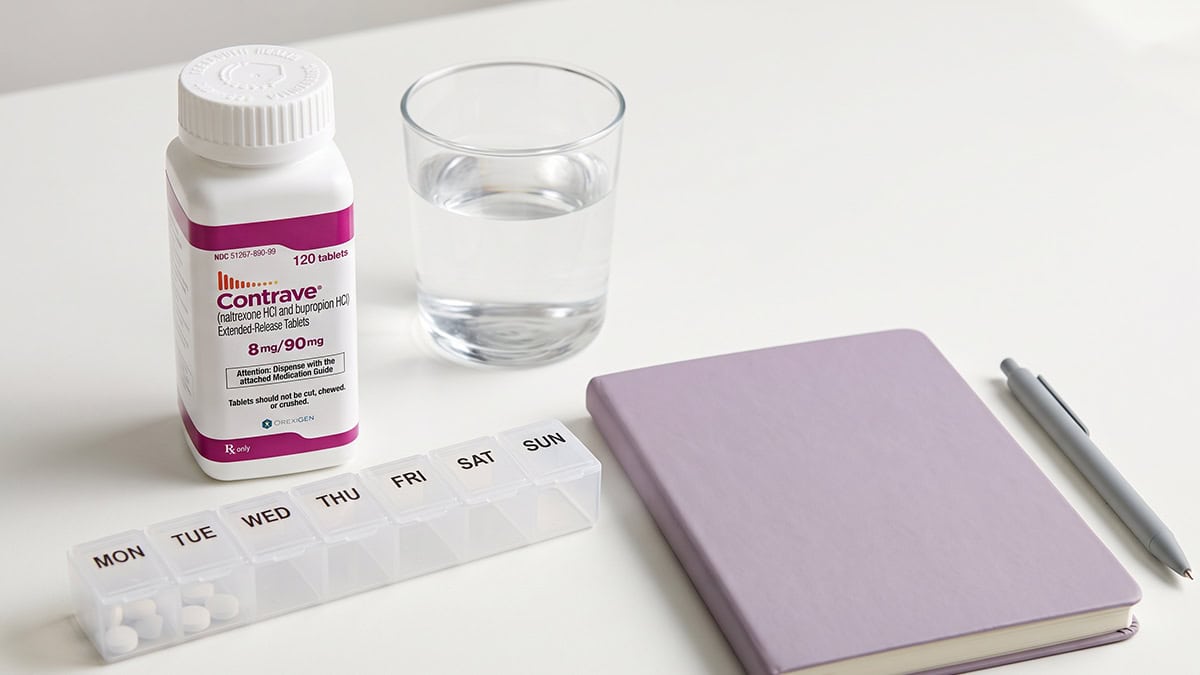
Starting a new medication?
That tends to come with a generous side serving of questions, and somehow it seems like that’s even more the case when you’re taking a weight management pill.
This makes sense. These medications and what they offer are inextricably entangled with a lot of very different and very high-stakes systems (including but not limited to your brain’s reward system, societal discourse, and a bewildering range of potential side effects to manage).
That last one is key.
If you’re taking a weight management med like Contrave, you need to know that doing so will be worth it. On one side, that involves figuring out if the pill will work and if it’ll actually contribute to your health goals.
On the other side, that means making sure that taking the pill will not adversely affect your day-to-day (at least, not too much).
The good news is that many Contrave side effects are mild and improve as your body adjusts to treatment. However, like any prescription medication, Contrave also carries important warnings and may not be appropriate for everyone.
Understanding what to expect before you start taking it can help you recognize normal adjustment symptoms, identify when it's time to contact your healthcare provider, and decide whether the medication is a good fit for your individual health needs.
Here’s everything you need to know, starting with a quick basic overview.
Getting Started: What Is Contrave?
Contrave is a prescription medication approved for chronic weight management in certain adults (e.g., those who are diagnosed with obesity, or are seeking ways to manage their weight).
There are, of course, many medications that can help people in these situations. Very likely, you’ve heard of options like Wegovy and Ozempic. Those can be expensive, but they work.
How is Contrave different?
Unlike medications that work primarily through hormones involved in blood sugar regulation, Contrave combines two existing, reliable medications that act on the central nervous system.
Those meds are naltrexone and bupropion.
Each of these meds separately treat other things, but, together, they influence brain pathways that are involved in appetite, food cravings, and rewards.
This makes the why behind Contrave just a little different than the reason one might opt for a GLP-1 or a more traditional weight management solution.
The goal, here, is to make it easier for patients to reduce calorie intake and maintain long-term lifestyle changes.
Which Contrave does, and, in many cases, does well.
But what types of side effects do patients need to mitigate in order to get Contrave’s benefits?
Common Contrave Side Effects
The most commonly reported side effects associated with Contrave include:
- Nausea
- Constipation
- Headache
- Dry mouth
- Dizziness
- Difficulty sleeping (insomnia)
Some people also experience:
- Vomiting
- Diarrhea
- Increased sweating
- Anxiety
- Mild increases in heart rate
The good news is that most of these side effects are mild and tend to crop up as your body is getting used to Contrave. They should go away after a few weeks on the drug.
Further good news: Not everyone develops these side effects – it’s more just a good idea to know what could happen, so you can prepare yourself as needed.
If you and your doctor are worried about Contrave’s side effects, you may be able to opt for a gradual escalation from a very small dose to your maintenance dose!
Does Contrave Make You Sleepy?

Contrave can indeed make you sleepy.
That said, sleepiness is not one of Contrave’s more common effects.
Anecdotally, the opposite tends to occur a bit more often.
Because Contrave contains bupropion (which you may know better via its brand name, Wellbutrin), many people are actually more likely to experience:
- Difficulty falling asleep
- Restlessness
- Feeling more alert than usual
However, every person responds differently.
Some patients do in fact report feeling tired during the day, lower energy levels, and even mild drowsiness, particularly when first starting treatment.
It's also worth remembering that factors other than the medication itself can influence energy levels. As you move forward with your weight management plan, you may experience changes in eating habits, reduced calorie intake, sleep quality, stress, and more.
All of these factors can contribute to fatigue while someone is actively working to manage their weight.
Contrave Contraindications: Who Shouldn’t Take It?
Contrave has specific contraindications, or situations where it should not be used because the risks may outweigh the potential benefits.
(Pharma vocabulary callout, real quick: A “reason you should possibly take a medication” is referred to, in formal healthcare, as an “indication.” A contraindication is just the opposite!)
These Contrave contraindications can help you and your doctor determine whether you’re a good candidate for Contrave.
After all, you might not be if you have a history of…
…Seizure Disorders
Contrave contains bupropion, which can increase the risk of seizures in susceptible individuals.
Because of this, Contrave is generally not recommended for people with:
- A seizure disorder
- A history of seizures
- Certain medical conditions that increase seizure risk
…Uncontrolled High Blood Pressure
Contrave may increase blood pressure and heart rate in some patients.
For individuals with uncontrolled hypertension, this can present additional risks.
Your doctor will check your blood pressure before possible treatment initiation with Contrave, and then ask you to monitor your blood pressure on a regular basis as you continue treatment.
This can feel like a lot to manage, but it’s worth it if you and your doctor can catch a red (or yellow) flag early.
…Eating Disorders
Contrave is generally contraindicated in patients with:
- Bulimia nervosa
- Anorexia nervosa
These conditions are associated with an increased seizure risk, which means that Contrave could be more dangerous for patients managing either.
If you have a history of an eating disorder, tell your doctor. They will be able to help you find a more appropriate (and safer!) treatment.
…Current Opioid Use
If you are taking opioid medications, do not take Contrave.
Because Contrave contains naltrexone, it blocks opioid receptors.
This means taking Contrave while actively using opioid medications can reduce the effectiveness of opioid pain medications or even trigger opioid withdrawal in people who are physically dependent on opioids.
If you are taking an opioid, be open with your doctor about it. This can feel vulnerable, but it’s better than getting prescribed a medication that could be dangerous.
…MAOI Use
Contrave should not be used alongside any type of medication that qualifies as a monoamine oxidase inhibitor (MAOI). Your doctor will know if one of your prescribed medications fits this category. You shouldn’t take Contrave during the waiting period after stopping a MAOI, either.
Why? Combining these medications can increase the risk of serious adverse reactions.
(Luckily for your executive function, MAOIs aren’t used as often today, which means that many Contrave patients just won’t encounter this type of issue.)
…Abrupt Withdrawal From Alcohol or Certain Sedatives
People who are undergoing sudden withdrawal from alcohol, benzodiazepines, barbiturates, or certain antiseizure medications may have an increased seizure risk.
Since bupropion can also add to that risk, if you’re facing this situation, generally, people recommend avoiding Contrave.
Serious Contrave Side Effects
Fortunately, most patients don’t experience serious Contrave side effects.
That said, there are a few uncommon but potentially severe reactions that you should know about, including:
- Seizures
- Significant increases in blood pressure
- Severe allergic reactions
- Mood or behavioral changes
If you realize you have new or worsening depression, severe anxiety, or unusually agitated thoughts, report them to your doctor. They’ll be able to help you find a solution that works better for your brain and body.
Which Contrave Side Effects Usually Improve Over Time?
Most of Contrave’s less-serious (and more common) side effects will improve over time.
While every person's experience is different, Contrave side effects that may improve over the first few weeks include:
- Nausea
- Mild dizziness
- Constipation
- Headache
- Dry mouth
If your doctor thinks it’s a good move, it may be worth considering starting your Contrave at a lower dose, then gradually increasing that dose according to your prescribed dosing schedule. Doing that should give your body more time to adjust and may help improve overall tolerability.
Tips for Managing Mild Contrave Side Effects
Side effects can't always be prevented, but there are some practical things you can do to help make living with them until they go away a bit easier and more comfortable.
For example:
Stay Hydrated
There is a whole category of side effects, including dry mouth and headaches, that may feel worse if you're dehydrated.
Drinking enough water throughout the day can help you feel better while taking Contrave (and, of course, it’s a good habit to invest in, in general).
Follow the Prescribed Dosing Schedule
Contrave is designed to be started gradually.
Taking more than prescribed or increasing the dose too quickly can increase the likelihood of side effects.
Always follow your healthcare provider's instructions and avoid making changes on your own.
Pay Attention to Your Symptoms
While it can be a bit of an undertaking or commitment, keeping a symptom log can be a huge help for both you and your doctor as you look for patterns surrounding your treatment.
Open a note on your phone, put a notebook on your dining room table, and jot down:
- When side effects occur
- Their severity
- Whether they improve after meals
- Any physiological or psychological changes you notice as your dose increases
Be Patient During the Adjustment Period!
When people experience nausea or headaches after starting a new medication, they tend to worry. That’s so, so understandable! It’s a worrisome event!
That said, try to keep yourself grounded in what you know is happening to your body.
That is, that your body is adapting to treatment, and that can be a lot, sometimes!
If your symptoms are mild and improving, even if slowly, you should be fine. If anything else is happening, call your doctor.
When to Contact Your Doctor

So when do you call your doctor?
Trust your gut: If you feel like you’re in danger or are severely uncomfortable, call.
Here’s a specific list, though, if that’s helpful. Contact your doctor if you experience:
- Persistent vomiting
- Severe dizziness or fainting
- Significant increases in blood pressure
- New or worsening depression
- Severe anxiety or unusual mood changes
- Symptoms that interfere with daily activities
- Side effects that continue to worsen rather than improve
And, if you experience a seizure, difficulty breathing, or any swelling of the face, lips, tongue, or throat, get emergency medical treatment at once.
Should You Stop Taking Contrave?
Experiencing side effects doesn't automatically mean you need to stop the medication.
(As we’ve noted, mild side effects should go away with time.)
But what if you do need to stop taking the med?
First things first: Do not stop Contrave on your own without speaking to your healthcare provider.
That could actually make your situation worse.
If side effects become difficult to tolerate, your provider may recommend:
- Continuing treatment while symptoms improve
- Adjusting your dosing schedule
- Evaluating whether another medication would be a better fit
- Discontinuing treatment if the risks outweigh the benefits
But again, only pursue these courses of action if your doctor’s on board.
Contrave Side Effects (And What They Mean for You)
Contrave comes with pros and cons, just like any other powerful prescription med.
The most common Contrave side effects, including nausea, constipation, headache, dry mouth, dizziness, and insomnia, tend to be mild … and also tend to improve as your body adjusts to treatment.
At the same time, it's important to recognize that Contrave isn't appropriate for everyone.
For some, Contrave side effects can be a lot to deal with, especially people with certain Contrave contraindications. (These are not limited to but can include seizure disorders, uncontrolled high blood pressure, active opioid use, or a history of certain eating disorders.)
And there are some side effects that – regarding whether they’re good or bad – are genuinely up to you. For example:
Does Contrave make you sleepy?
For some people, yes, but insomnia and restlessness are generally reported more often than drowsiness.
The short answer is that your individual experience may vary. Talking to your doctor and keeping a symptom log are your best choices going forward.
And also, remember this:
Most people do not experience every listed side effect, and many tolerate the medication well enough to continue treatment successfully. Knowing what to expect simply helps you recognize which symptoms are part of the normal adjustment period and which deserve medical attention.
Once you have a valid and updated prescription for Contrave, buy your medication for less through our CIPA-certified Canada drugs and international medications website. Got questions? Our patient care specialists and pharmacists would be more than happy to help.
The entire team here at NorthWestPharmacy.com looks forward to supporting you and your healthcare journey.


