
Treatments for Obesity
physical-health

Obesity is a chronic, complex disease characterized by excess body fat that can seriously affect our health. Although body mass index (BMI) is commonly used to identify overweight and obesity, BMI alone does not provide a complete picture of our physique and health. Where our body fat is located, waist circumference, medical conditions, medications, genetics, physical fitness, and other factors can also influence the health effects of excess weight.
Obesity is associated with an increased risk of type 2 diabetes, high blood pressure, abnormal cholesterol levels, cardiovascular disease, obstructive sleep apnea, osteoarthritis, fatty liver disease, and several types of cancer. For this reason, obesity treatment is not simply about reaching a particular number on the scale. The primary goal is to improve health, physical function, quality of life, and to prevent or treat obesity-related medical conditions.
Obesity treatment options have changed considerably in recent years. Obesity was once managed primarily through advice to eat less and exercise more. Although nutrition and physical activity remain the cornerstone of treatment, obesity is now recognized as a chronic disease that may require long-term treatment using behavioral strategies, medications, metabolic and bariatric surgery, or combinations of these options.
Lifestyle and Behavioral Treatments for Obesity
Healthy eating, regular physical activity, adequate sleep, and behavioral changes remain the most important basis of obesity management, regardless of whether a person also uses medication or undergoes surgery.
Nutrition
There is no single diet that is best for everyone with obesity. A successful eating plan should be nutritionally adequate, sustainable, affordable, culturally appropriate, and compatible with your preferences and medical needs.
Depending on your preferences, evidence-based approaches may include Mediterranean-style eating, lower-carbohydrate or lower-fat diets, higher-protein diets, plant-forward diets, or structured calorie-reduction programs. The common goal is generally to create a “Calorie deficit.” In other words, to take in fewer calories per day than you use. By making healthy food choices, you can pack all the nutrition your body needs into your daily intake.
Very restrictive diets (such as extreme calorie-restriction or fad diets that deviate markedly from what you and your family normally eat) may produce rapid initial weight loss but can be difficult to maintain. Long-term adherence is usually more important than choosing one particular “lose weight quick” approach.

Physical Activity
Exercise has benefits that extend well beyond the number of calories burned. Regular physical activity can improve cardiovascular fitness, insulin sensitivity, blood pressure, sleep, mobility, mood, and overall health and quality of life.
Aerobic activities may include brisk walking, cycling, swimming, jogging, or other activities that raise the heart rate. Resistance exercise, such as lifting weights or using resistance bands, is also important because it helps preserve muscle mass during weight loss.
Exercise alone typically produces relatively modest weight loss; weight loss occurs more in the kitchen than it does in the gym. However, exercise can enhance the effects of dietary changes and is particularly important for improving health and helping maintain weight loss over time.
People who aren’t currently active don’t need to begin with an intensive exercise program. Gradually increasing walking or other forms of movement can be an appropriate starting point, particularly for people with joint pain, cardiovascular disease, or limited mobility.
Behavioral Treatment
Behavioral therapy (psychotherapy that focuses on changing unhealthy behavioral patterns) helps people identify and change patterns that contribute to overeating or make weight management more difficult. Strategies may include setting realistic goals, monitoring food intake and physical activity, planning meals, identifying triggers for overeating, problem-solving, managing stress, and developing strategies to prevent relapse.
Comprehensive behavioral programs typically combine nutrition, physical activity, and behavioral counseling. Research shows that these interventions can produce meaningful weight loss, although maintaining the lost weight can be challenging.
Psychological support may also be appropriate when depression, anxiety, binge-eating disorder, trauma, or other psychological factors affect eating behavior or obesity treatment.

Medications for Obesity
For some people, lifestyle treatment alone does not produce enough weight loss to improve health. Prescription medications can then be considered as part of a comprehensive treatment plan.
Obesity medications are generally intended for long-term management rather than as a short-term “quick fix.” Current guidelines emphasize choosing medication according to a person’s medical conditions, treatment goals, preferences, potential side effects, contraindications, affordability, and access.
Several medications are available, although the specific drugs approved for obesity vary by country.
Glucagon-Like Peptide-1 (GLP-1) Receptor Agonists.
GLP-1 is a naturally occurring hormone involved in appetite regulation, digestion, and blood glucose control. It acts on areas of the brain involved in appetite and satiety, helping people feel fuller and reducing hunger and food intake. It also appears to act on parts of the brain involved in creating food cravings.
GLP-1 receptor agonists are medications that mimic the action of GLP-1, a natural hormone released after eating. They are used in treating diabetes, obesity, and some heart problems, depending on the medication.
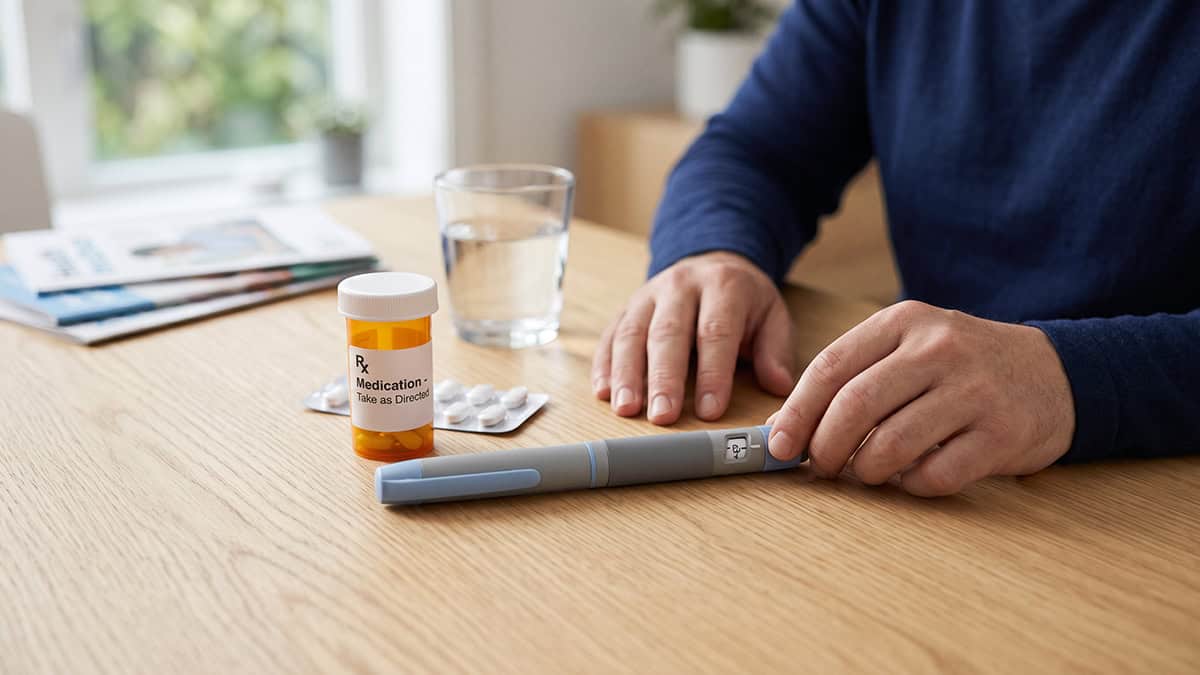
Common GLP-1 receptor agonists include:
- Semaglutide, available as Ozempic® for type 2 diabetes and Wegovy® for chronic weight management in eligible patients. Oral semaglutide is also available as Rybelsus® for type 2 diabetes;
- Liraglutide, marketed as Victoza® for type 2 diabetes and Saxenda® for chronic weight management;
- Dulaglutide, sold as Trulicity®, used for type 2 diabetes;
- Exenatide, available as Bydureon BCise® for type 2 diabetes; and
- Lixisenatide, marketed as Adlyxin®, for type 2 diabetes.
A related medication, tirzepatide, is sometimes grouped with GLP-1 therapies, although it acts on both GLP-1 and glucose-dependent insulinotropic polypeptide (GIP) receptors. It is sold as Mounjaro® for type 2 diabetes and Zepbound® for chronic weight management and certain obesity-related conditions.
These medications are prescription treatments and are not appropriate for everyone. Common side effects include nausea, vomiting, diarrhea, constipation, and abdominal discomfort.
Naltrexone/Bupropion
Naltrexone/bupropion (commonly branded as Contrave) combines two medications that influence brain pathways involved in appetite and food-reward behavior. The medication may help reduce hunger and cravings in some people. However, it is not appropriate for everyone. For example, naltrexone interferes with opioid medications, and bupropion may increase the risk of seizures in susceptible individuals. Blood pressure should also be considered when determining whether this treatment is appropriate.
Clinical studies show a weight loss of about 5% to 8% of total body weight after one year of consistent use. Treatment is typically evaluated at 12 weeks; if the patient has not lost at least 5% of their body weight, the drug is usually discontinued.
Nausea, constipation, headache, dizziness, dry mouth, and insomnia are the most common side effects.
Orlistat
Orlistat works differently from medications that suppress appetite. It inhibits gastrointestinal enzymes (“lipases”) required to digest dietary fat. As a result, some of the fat consumed in food is not absorbed and is therefore excreted in the stool after it passes through the digestive system.
Side effects can include oily stools, fecal urgency, gas, and increased bowel movements, particularly after high-fat meals. Orlistat can also reduce absorption of fat-soluble vitamins, so supplementation may sometimes be recommended.
Future Medications
Combination medications are in development for treating obesity. For example, maridebart cafraglutide (MariTide) combines a GLP-1 receptor agonist with a GIP agonist (similar to tirzepatide). Cagrilintide-semaglutide (CagriSema) combines a GLP-1 agonist with an amylin and calcitonin receptor agonist, which targets a unique brain pathway that slows stomach emptying, thereby further curbing appetite. Other medications that target other novel pathways are under development.
What Happens If You Stop Obesity Medication?
One of the most important developments in obesity treatment has been the recognition that medication often needs to be continued long-term. Obesity produces biological adaptations that encourage weight regain after weight loss. Appetite can increase, energy expenditure can decrease, and hormonal signals controlling hunger and fullness can change.
This highlights the importance of using weight loss medication together with lifestyle modifications, in the form of a proper diet and regular exercise, so that when the medication is discontinued you can continue with a weight-healthy lifestyle.
Weight Loss Surgery
Metabolic and bariatric surgery is the most effective established treatment for producing substantial and durable weight loss in people with more severe obesity. It can also dramatically improve obesity-related diseases, particularly type 2 diabetes. The two most commonly performed weight loss procedures are the sleeve gastrectomy and the Roux-en-Y gastric bypass.
Sleeve Gastrectomy
A sleeve gastrectomy involves removing a large portion of the stomach, leaving a smaller, sleeve-shaped stomach. This reduces the amount of food the stomach can hold, but its effects are not purely mechanical. Surgery also alters gastrointestinal hormones and biological pathways involved in hunger, fullness, and metabolism.
Roux-en-Y Gastric Bypass
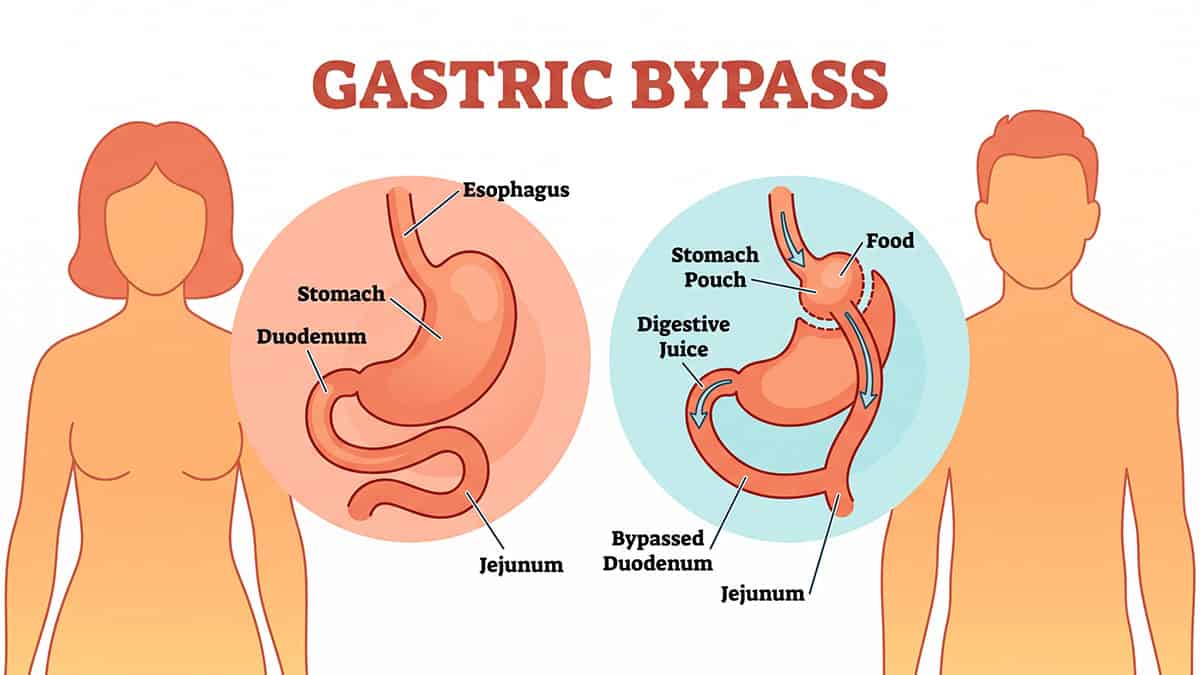
Gastric bypass creates a small stomach pouch that is connected to a lower portion of the small intestine. Food therefore bypasses much of the stomach and the first portion of the small intestine. Like with a sleeve gastrectomy, gastric bypass changes both food intake and physiological signals involved in appetite and metabolism.
Who May Be Eligible for Bariatric Surgery?
Modern recommendations have expanded eligibility for metabolic and bariatric surgery.
The American Society for Metabolic and Bariatric Surgery and the International Federation for the Surgery of Obesity and Metabolic Disorders recommend metabolic and bariatric surgery for people with a BMI of 35 kg/m² or higher, regardless of whether obesity-related medical conditions are present. Surgery should also be considered for individuals with metabolic disease and a BMI of 30 to 34.9 kg/m².
Eligibility may vary according to national guidelines, healthcare systems, insurance requirements, ethnicity, medical history, and individual circumstances.
Bariatric surgery is not simply a procedure followed by discharge from obesity care. Patients require long-term medical and nutritional follow-up. Vitamin and mineral supplementation is particularly important because nutritional deficiencies may develop after some procedures.
Treating Conditions Related to Obesity
Successful obesity management should consider more than weight loss. People with obesity may have type 2 diabetes, hypertension, abnormal cholesterol levels, fatty liver disease, sleep apnea, osteoarthritis, infertility, gastroesophageal reflux disease, or cardiovascular disease. Treatment should therefore be selected partly according to which health problems are most important for the individual. For example, an obesity medication that also improves cardiovascular outcomes may be particularly attractive for someone with established cardiovascular disease.
Setting Realistic Goals for Obesity Treatment
A common misconception is that obesity treatment is successful only if a person reaches a “normal” BMI. This is not necessarily the case. Even a 5% to 10% reduction in body weight can itself produce meaningful improvements in many obesity-related health risks. Treatment goals should therefore focus on improvements that matter to the individual.
Examples include being able to walk farther without becoming short of breath, reducing knee pain, improving blood glucose, controlling blood pressure, reducing sleep apnea severity, or decreasing the need for medications used to treat obesity-related diseases. Weight itself is only one measure of success.
Choosing the Right Obesity Treatment
There is no single best treatment for obesity. Some people achieve meaningful and sustained improvements through behavioral treatment alone. Others benefit from medication, and some are appropriate candidates for metabolic and bariatric surgery.
Increasingly, these treatments are viewed as complementary rather than competing choices. Someone may use medication alongside nutritional counseling, for example, or receive pharmacotherapy before or after bariatric surgery.
Perhaps the most important point is that obesity treatment should be approached as long-term healthcare rather than a temporary diet. Modern treatments can produce substantial improvements in weight and health, but maintaining these benefits frequently requires ongoing treatment and follow-up.

Key Takeaways
- Obesity is a chronic, complex disease, not simply a problem of willpower.
- Nutrition, physical activity, and behavioral strategies remain the mainstay of obesity treatment.
- Prescription medications can help regulate appetite and produce clinically meaningful weight loss.
- Metabolic and bariatric surgery remains the most effective established treatment for substantial and durable weight loss in people with more severe obesity.
- Losing even 5% to 10% of starting body weight can improve many obesity-related health problems.
- Weight regain after treatment stops is common because the body has biological mechanisms that defend against weight loss.
- Successful obesity treatment often requires long-term management, just like other chronic diseases.
- The best treatment is individualized according to a person’s health conditions, goals, preferences, treatment response, and access to care.
References
International Journal of Obesity medical journal
StatPearls medical education website
Surgery for Obesity-Related Diseases medical journal
New England Journal of Medicine medical journal
Medicina medical journal
Diabetes and Obesity Metabolism medical journal
Canadian Medical Association Journal medical journal


