
Levothyroxine for Dogs: Important Information to Consider
pet medications

Let’s say your dog’s been acting a bit sluggish and tired.
You take them to the vet. Your vet checks them out. And your dog receives a diagnosis and a prescription for medication treating a thyroid condition.
That can feel unexpected.
It can feel even more unexpected if you’re familiar with the world of thyroid conditions and recognize the name of the medication your dog’s been prescribed with: Levothyroxine.
(After all, isn’t that a human medication?)
Yes and no!
Levothyroxine, commonly prescribed for people with hypothyroidism, is also one of the most widely used treatments for dogs diagnosed with hypothyroidism.
While the medication itself is similar, how it’s diagnosed, dosed, and monitored in dogs is very different from how it’s used in humans.
That distinction matters. Dogs metabolize thyroid hormone much faster than people do, and dosing is based on a dog’s weight, metabolism, and clinical response. Because of this, levothyroxine for dogs should always be prescribed and managed by a veterinarian.
If your dog has been prescribed levothyroxine and you’re looking for the information you need to make their treatment effective (and their experience comfortable), you’re in the right place.
Our goal with this guide is to help dog owners feel informed and prepared, not overwhelmed.
What Is Hypothyroidism in Dogs?
Hypothyroidism in dogs occurs when your dog’s thyroid gland does not produce enough thyroid hormone to support their normal bodily functions.
As it turns out, the link between your dog’s thyroid gland (a tiny little organ in their throat) and the way their entire body works and feels is very, very strong.
Thyroid hormone plays a role in regulating metabolism, energy levels, skin and coat health, and overall well-being.
In dogs, hypothyroidism is most often caused by a problem within the thyroid gland itself. (This is referred to as primary hypothyroidism, whereas secondary hypothyroidism or other related conditions might involve affected thyroid hormone levels without thyroid gland issues.)
This brings us to another point:
Low thyroid hormone levels alone do not automatically mean a dog has hypothyroidism.
Other illnesses, pet medications, and even stress can affect thyroid test results.
That’s why a proper diagnosis requires more than a single blood test.
In short, the canine hypothyroidism world can be both nuanced and confusing. Talking to your veterinarian about your specific dog’s unique condition is your best bet!
Common Signs of Hypothyroidism in Dogs
The signs of hypothyroidism in dogs tend to develop slowly, which can make them easy to miss or attribute to aging.
When veterinarians are assessing dogs for potential hypothyroidism, they will probably talk to you about or watch out for signs of:
- Decreased energy or exercise tolerance
- Weight gain without increased appetite
- Thinning hair or hair loss, especially along the trunk or tail
- Dry skin or recurring skin infections
- Increased sensitivity to cold
These symptoms are not specific to hypothyroidism.
They can overlap with other medical conditions. (Remember, we said this was complicated.)
This overlap is one of the reasons veterinarians are cautious about diagnosing hypothyroidism and starting levothyroxine without sufficient evidence.
How Hypothyroidism Is Diagnosed in Dogs (And Why Blood Tests Alone Aren’t Enough)
Since low thyroid levels on a lab report alone do not a canine hypothyroidism diagnosis make, here’s a question:
What does lead to a hypothyroidism diagnosis for dogs?
While blood testing is an important part of the process, veterinarians rely on a combination of test results and clinical signs to make an accurate diagnosis.
A common screening test for initial work toward a diagnosis measures total T4, one of the main thyroid hormones. Generally, if a dog has low total T4, that may be one sign that it’s time to dig deeper.
However, total T4 levels can be temporarily lowered by many factors that have nothing to do with true hypothyroidism, including:
- Other illnesses or infections
- Certain medications
- Stress or recent medical procedures
Because of this, a low total T4 by itself does not confirm hypothyroidism.
After confirming low total T4, if a dog owner wants to pursue a potential hypothyroidism diagnosis for their pet, a vet will often consider additional tests, such as free T4 and thyroid-stimulating hormone (TSH), to build a clearer picture.
These additional tests can evaluate whether the dog’s symptoms match what would be expected with true thyroid hormone deficiency.
This careful approach helps avoid unnecessary treatment and ensures that levothyroxine is prescribed only when it’s likely to benefit your dog.
Here’s What Levothyroxine Does for Dogs
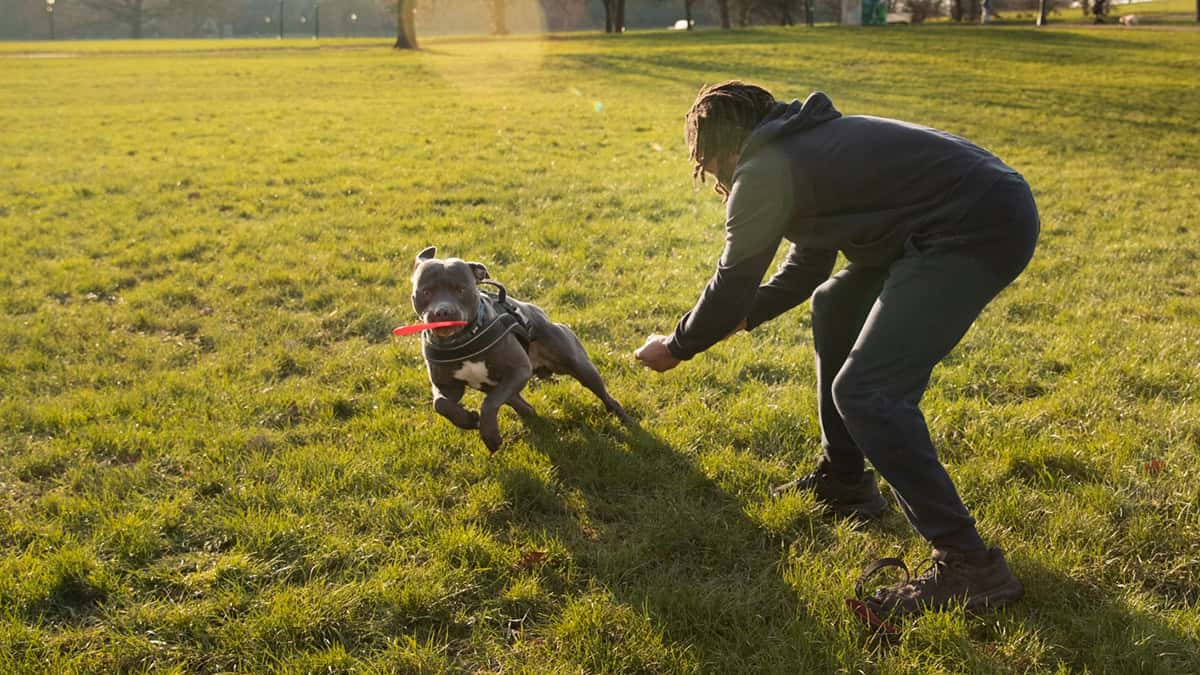
When a dog is correctly diagnosed with hypothyroidism, administering levothyroxine can help your dog’s body by replacing the thyroid hormone their body isn’t making.
The goal of treatment is to restore normal metabolic function and relieve symptoms caused by low thyroid hormone levels.
With appropriate dosing, levothyroxine can help:
- Improve energy and activity levels
- Support healthier skin and coat
- Normalize weight over time
- Improve overall quality of life
While some of these improvements can take a while to notice, at least to their fullest extent, others may be noticeable within a few weeks.
Levothyroxine Dosing for Dogs: Why It’s Very Different Than Humans
Here’s one thing that’s very important to understand right upfront:
Levothyroxine dosing in dogs is not comparable to human dosing.
Dogs process thyroid hormone much more quickly than humans do.
This means they often require higher weight-based doses and different dosing schedules.
Veterinary dosing is typically based on:
- The dog’s weight
- The severity of hypothyroidism
- How the dog responds clinically and on follow-up blood tests
Many dogs receive levothyroxine once or twice daily, depending on how their bodies handle the medication.
Once you have your vet’s recommendation for dosing for your specific dog’s weight and the schedule you should follow, it’s very important to stick to that treatment regimen.
In fact, it’s even more important to do this for levothyroxine than for many other types of drugs.
Why?
Levothyroxine is considered a narrow therapeutic index (NTI) drug.
That simply means that very small changes in dosing patterns can have outsized clinical effects.
For this reason, dog owners should never attempt to adjust doses on their own or give dogs human thyroid medication without veterinary approval.
How Long Does It Take Levothyroxine to Work in Dogs?
Levothyroxine does not work instantly.
After they start taking levothyroxine, some dogs may show increased energy within a few weeks.
Other benefits – like glossier hair – may take much longer to see.
Your veterinarians will likely recheck your dog’s thyroid levels after your dog has been taking levothyroxine for a couple of weeks or months to determine whether the dose is appropriate and make adjustments if needed.
If you have any concerns about your dog’s hypothyroidism symptoms (and whether they’re going away as quickly as they could), talk to your vet. They may be able to help you pursue other supportive treatments, if needed, to give your dog comfort while you wait for levothyroxine to do its job properly.
Possible Side Effects of Levothyroxine in Dogs
When levothyroxine is dosed appropriately, most dogs tolerate it well.
Side effects of levothyroxine for dogs are relatively uncommon. They usually occur when a dog receives more thyroid hormone than needed, or when there are sudden changes in their treatment protocol, rather than side effects purely from the medication itself.
Signs of levothyroxine over-supplementation, or changes in a dog’s treatment protocol, can include:
- Increased restlessness or hyperactivity
- Increased thirst or urination
- Weight loss despite a normal or increased appetite
- Faster heart rate or panting
These side effects point toward an overactive thyroid instead of an underactive one.
(In other words, it means that if a dog takes too much levothyroxine, you’ve effectively overcorrected and created a different problem!)
This isn’t necessarily dangerous, just an indication that your dog’s dose may need to be adjusted.
This is also why follow-up monitoring is such an important part of treatment. It helps catch subtle changes before they become problematic.
Why Monitoring Matters (Levothyroxine as an NTI Drug)
A moment ago, we mentioned the concept of an NTI drug, or a “narrow therapeutic index” drug.
This type of drug exists in both human and veterinary medicine.
In dogs, this is especially relevant because of how quickly they metabolize thyroid hormone.
When a drug has NTI status, that means:
- The margin between too little and too much medication is relatively small
- Dosing must be individualized
- Periodic blood testing is needed to confirm appropriate hormone levels.
Veterinarians typically recommend checking thyroid levels after a dog has been on a stable dose for a set period of time, then repeating testing periodically thereafter.
Monitoring ensures the medication continues to support health without tipping into over-replacement.
Can Dogs Stay on Levothyroxine Long Term?
For many dogs diagnosed with true hypothyroidism, levothyroxine is a long-term or lifelong treatment.
This doesn’t mean your dog will always need the same dose, of course.
Your veterinarian may recommend adjustments over time to make sure your dog is as comfortable and healthy as possible over the long term – e.g., if their weight changes, or if their lab results simply indicate they need a different dose as they age.
With proper monitoring, long-term use of levothyroxine is generally well tolerated and often leads to significant improvement in quality of life. Many dog owners report better energy levels, healthier skin and coats, and improved overall comfort once treatment is optimized.
Important Levothyroxine Safety Notes for Dog Owners
Levothyroxine is a safe drug to take, as long as you make sure you’re taking it (or your dog is taking it) in line with your veterinarian’s recommendations.
That said, there are a few key safety points every dog owner should keep in mind:
Never give a dog human thyroid medication without veterinary guidance.
(This bears repeating – it can feel tempting to give your dog a little of your own levothyroxine if you also have hypothyroidism, but even if you feel like you’re capable of doing the math, this isn’t a good idea for several reasons.)
Do not change or stop levothyroxine dosing without consulting your veterinarian first.
Keep medication securely stored to prevent accidental ingestion by other pets!
Accessing Levothyroxine for Dogs Affordably and Reliably (Here’s How)

To get levothyroxine for your dog, you’ll need to have a valid, updated veterinary prescription.
This is required, but it’s also just a helpful idea for effective care for your dog. As we’ve indicated, taking levothyroxine should involve follow-up tests and regular double-checking of your dog’s dose.
Once you have that prescription, though, it can feel tricky to coordinate (and afford) your dog’s medication over the long-term.
It can be surprisingly difficult to locate a pharmacy that has exactly what you need, offers convenient ways to get your medication, and also has reliably low prices.
Here, at NorthWestPharmacy.com, you can buy levothyroxine at a discount. After you get a valid, updated prescription from your vet, simply upload it to our site, select the dosage your dog requires, click “add to cart,” and we’ll guide you through the rest of our simple ordering process. Before you know it, your dog’s medication will arrive at your front door!
Here’s When to Contact Your Veterinarians
Most dogs do very well on levothyroxine once they have a consistent dosing schedule that works for them.
That said, it’s usually a good idea to have an idea of when it’s worth checking in with your veterinarian anyway!
Some examples of times when it might be good to reach out to your dog’s healthcare professional include when your dog exhibits:
- New or worsening symptoms after starting treatment
- Signs of possible over-supplementation, such as restlessness or weight loss
- Significant changes in weight or appetite
- Difficulty giving the medication as prescribed
Here’s What You Really Need to Know About Levothyroxine for Dogs
Levothyroxine for dogs is a well-established and commonly used treatment when hypothyroidism is properly diagnosed.
While the medication name (“levothyroxine” or even, possibly, brand Levoxyl) may sound familiar to human patients, canine thyroid treatment regimens are different even when they use the same meds.
If your dog has been prescribed levothyroxine, the most important things you can do are:
- Follow your veterinarian’s instructions closely
- Give the medication consistently
- Attend recommended follow-up appointments
When you’re ready to establish low-cost, reliable access to veterinary treatments for your dog, the entire team here at NorthWestPharmacy.com is ready to support you.
Head to our levothyroxine page now to learn more about this medication, find your dog’s dosage, and check out easily in a matter of minutes.


