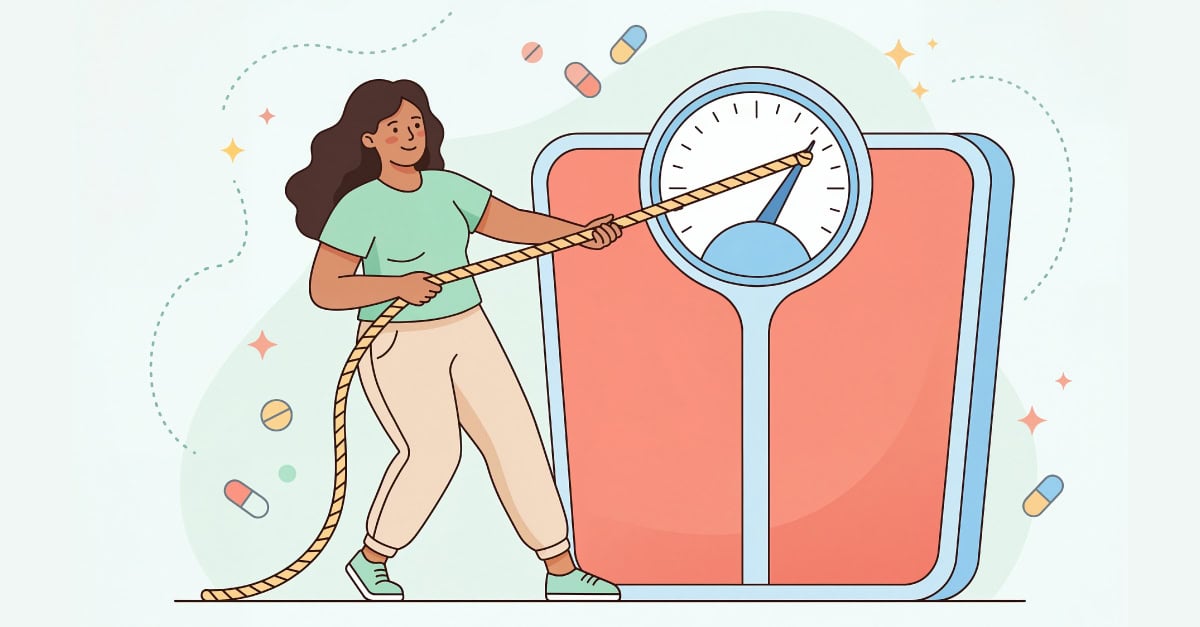
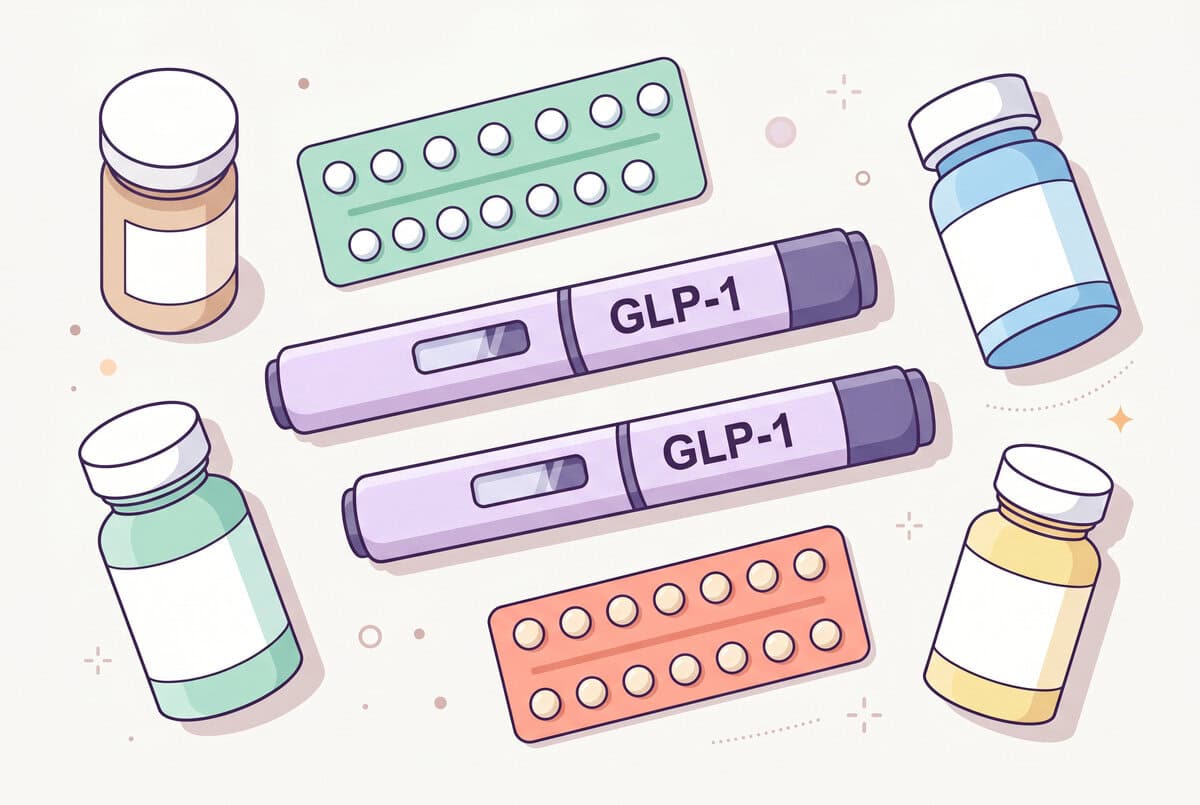
Ozempic and other “GLP-1 (glucagon-like peptide-1) agonist” medications (I’ll just call them “GLP-1s”) have become popular because of their ability to help people lose a significant amount of weight. However, some people may not realize that stopping a GLP-1 may lead to weight regain or other “rebound” effects. Knowing this ahead of time can help you decide whether a GLP-1 is right for you—and, if you choose to use one, how to come off it safely and avoid unwanted setbacks.
How Do GLP-1s Help With Losing Weight?
GLP-1s mimic the natural human digestive hormone GLP-1. They are used for several medical reasons (treating type 2 diabetes, reducing risk of heart-related death in certain patients, and preventing the progression of kidney disease in high-risk patients), but they have gained their fame for their effectiveness as a weight loss drug.
GLP-1s promote weight loss in several ways:
- Appetite suppression: GLP-1s act on the parts of the brain that control your appetite (satiety centers), reducing hunger and even thoughts and cravings for food
- Slowed stomach emptying: By keeping food in your stomach longer, GLP-1s make you feel full for a longer period after you eat
- Improved insulin function: GLP-1s help reduce the insulin spikes that promote storing fat and lead to increased appetite
What Happens When You Stop a GLP-1?
When the GLP-1 stops, so do its benefits. Some positive changes usually occur, such as reversal of side effects, especially nausea and constipation. However, the benefits related to body weight usually disappear as well. Let’s look at those now.
Weight Gain
While most people lose weight with relative ease while taking a GLP-1, keeping the weight off has proven to be more of a challenge. Studies have found that most people regain weight after stopping the medication, with many returning to their original weight sometime in the first 1.7 years. There’s another important concern: a significant portion of the weight lost—up to 34% to 45%—can be lean muscle, not just fat. When the weight comes back, it’s often mostly fat rather than muscle, which can leave you with a less healthy body composition than before starting the medication.
Return of Appetite
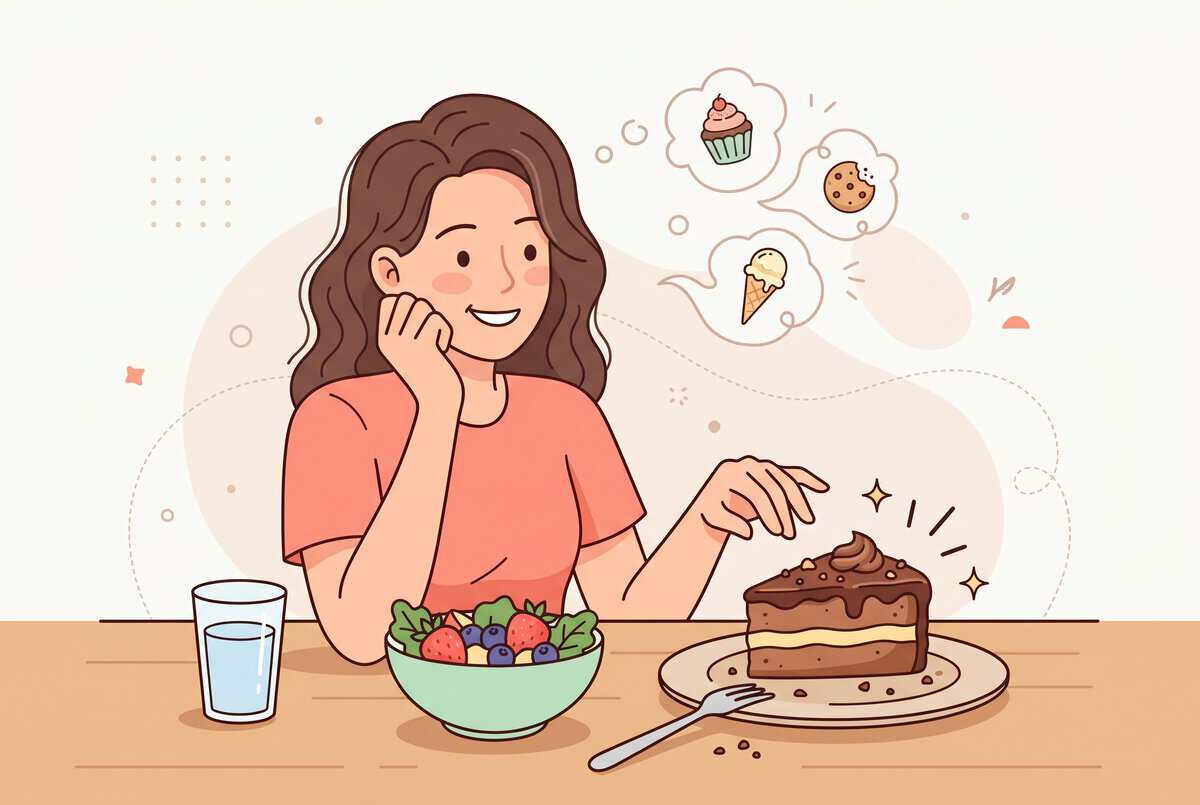
When the GLP-1 is no longer suppressing appetite, cravings and thoughts of food usually return. Some people experience “food noise” after stopping their GLP-1—constant thoughts and cravings about food that may be so overwhelming that it’s difficult to concentrate on anything else.
Reversal of Health Gains
The insulin-regulating effects of GLP-1 also disappear, so that the person who stopped their GLP-1 may be subject to insulin spikes that promote the storage of dietary calories as fat tissue. As well, GLP-1 use is associated with improvements in cholesterol, blood pressure, and blood sugar control, and these improvements in metabolic health disappear when the medication is stopped.
How To Keep the Weight Off
Not everyone who stops a GLP-1 gains back their weight. Studies have found ways that people can reduce or prevent weight gain and even continue to lose weight after stopping a GLP-1. Let’s look at some tips.
Healthy Lifestyle
Many people who use a GLP-1 for weight loss rely only on the medication and don’t take advantage of the opportunity to adopt a healthier, weight-friendly lifestyle. A healthful diet within a proper daily caloric limit, together with regular physical activity, is considered the best way to optimize weight loss while on a GLP-1 and prevent regaining the weight afterward.

Lifestyle Support
Seeking assistance and guidance with professionals, such as dieticians, personal trainers, or weight loss clinics, helps people learn about and stick to a more weight-neutral lifestyle. Ongoing, personalized support is an important factor in making significant changes to our daily dietary routines.
Restart the Medication or Another Therapy
Restarting a GLP-1 or another older medication or metabolic or bariatric surgery are effective ways to prevent putting back on the pounds.
Anticipate “Food Noise”
Persistent thoughts about food can generate cravings and break down our self-control. A structured eating schedule and learning to “mindfully” redirect your thoughts may help overcome food noise until it resolves on its own. Reducing sugary, ultra-processed foods that trigger a “dopamine rush” in the brain’s reward system may also help. If the food preoccupation is distracting, leading to over-eating, or is linked to anxiety, seeking professional counseling or restarting a low-dose GLP-1 may be options.
Consider a Gradual Tapering
Rather than abruptly stopping a GLP-1, a gradual reduction that’s spread over up to 9 weeks may help reduce potential weight gain.
Bottom Line
Stopping GLP-1 weight loss medications leads to regaining the lost weight in most people. However, by understanding why the weight gain happens and taking measures to prevent it, you can maintain your reduced weight and even continue to slim down.
References:
Harvard Health website
The American Journal of Medicine
Diabetes, Obesity and Metabolism medical journal
British Medical Journal
Science Daily website
