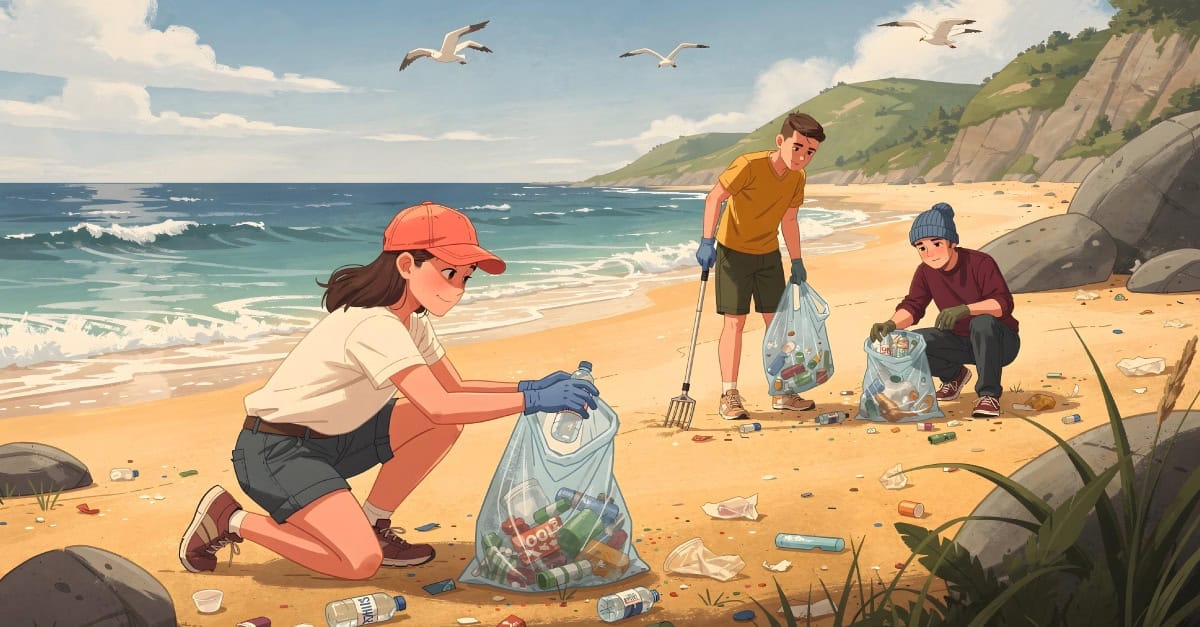
The importance of microplastics—tiny plastic fragments—came to light in the late 20th century. However, the issue gained significant scientific and public attention in the early 2000s as researchers documented the widespread presence of microplastics in our oceans, freshwater systems, soil, food chain, air, and even our bodies. In this article, we’ll discuss how microplastics enter our bodies and what effects they may have on our health and well-being.
What Are Microplastics?
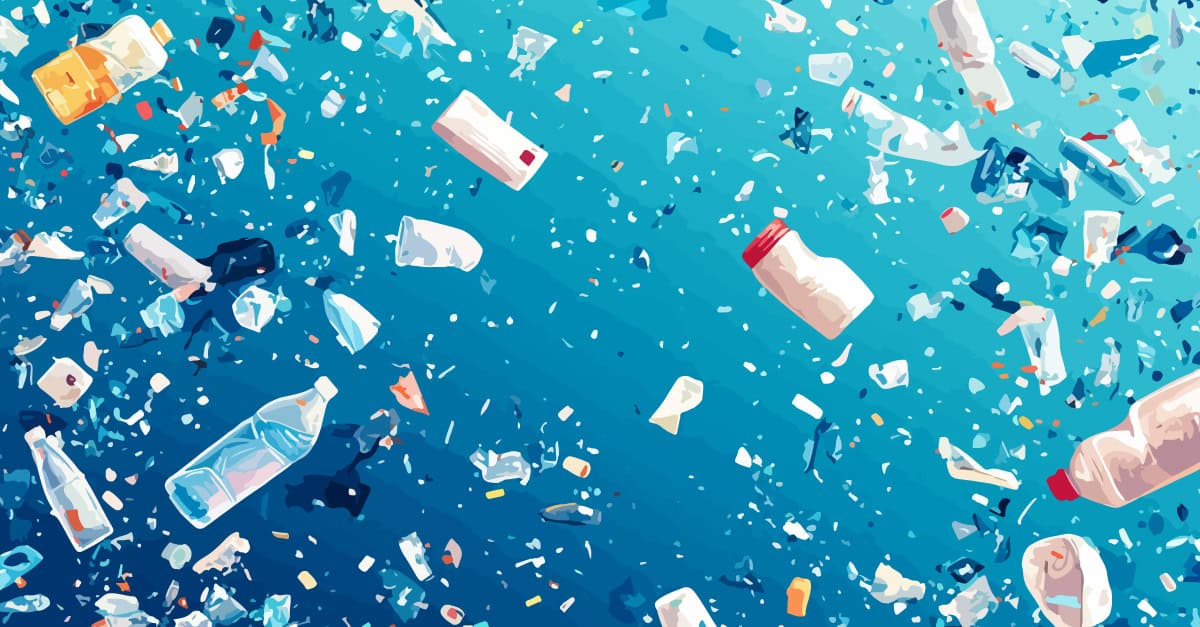
Microplastics are tiny bits of plastic particles—less than 5 millimeters (0.2 inch) in size—that contaminate our environment, food, and bodies. They are considered “primary” when they’re manufactured in a small size, or “secondary” when they result from larger plastic products sloughing off tiny particles as they degrade.
How Do Microplastics Get in Our Food Chain?
Microplastics enter the food chain when primary and secondary microplastics disperse through oceans, freshwater, soil, and the air, leading to biological uptake. These particles are ingested by small organisms such as plankton and insects, which are then eaten by larger species, allowing microplastics to move up the food web—a process known as “biomagnification.” In agriculture, microplastics can contaminate crops through polluted soil, water, or air.
How Do Microplastics Get Into Our Body?
Microplastics enter the human body primarily through ingestion, inhalation, and, to a lesser extent, skin contact. People routinely consume microplastics in contaminated food and beverages (including bottled water). Inhalation is another significant pathway, as microscopic plastic particles suspended in the air can be breathed into the lungs, especially in urban or enclosed environments. While the skin is generally an effective barrier, very small particles or those in certain formulations (such as cosmetics) may accumulate on the surface of the skin and penetrate its barriers. This can also happen from wearing certain fabrics or touching some cleaning supplies.
What Happens to Microplastics in Our Body?
It appears that once inside the body, some microplastics pass through without being absorbed, but the smallest particles may cross biological barriers and enter the bloodstream and tissues, raising ongoing questions about potential health effects. Microplastics have been detected in human blood, brain, breastmilk, reproductive organs, and other body tissues.
How Do Microplastics Affect Our Health?
We currently know surprisingly little about what happens to these unnatural toxins once they enter our body. In its 2022 report “Dietary and inhalation exposure to nano- and microplastic particles and potential implications for human health,” the World Health Organization (WHO) pointed out that most research into microplastics has centered on the content in fish and other species, and very limited data are available for humans. We know little about how much gets into and stays in the human body, and we have no data that clarify what the health risks may be, if any.
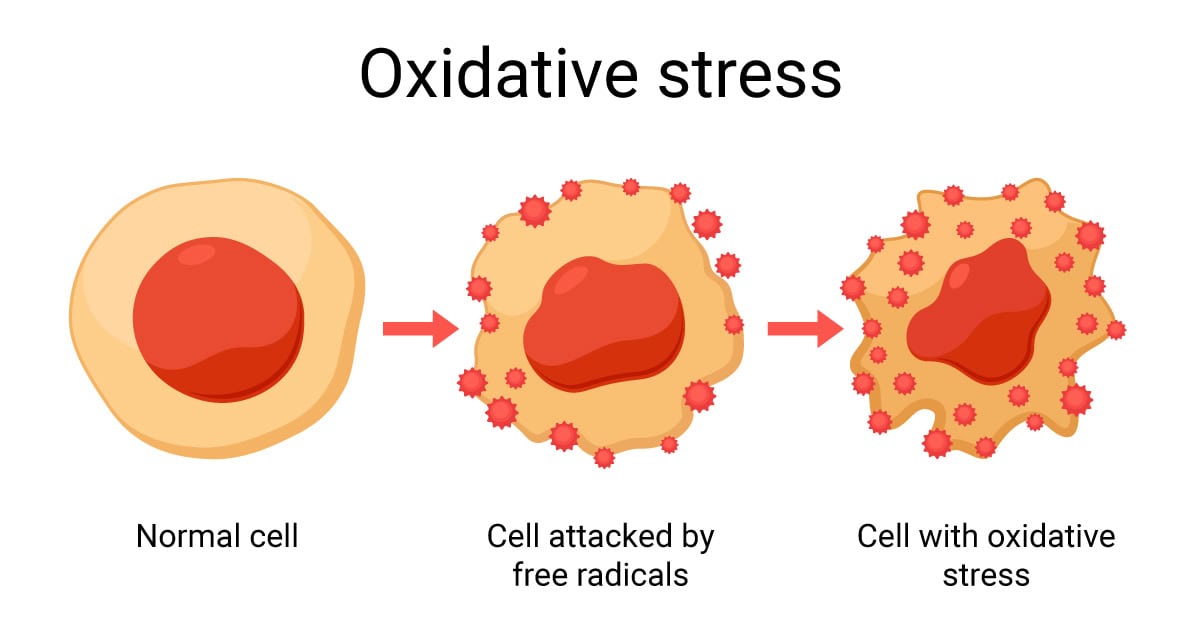
However, existing studies suggest that very small particles—especially particles between 1 and 1000 nanometers (nm) in size (“nanoplastics”)—may trigger inflammation, oxidative stress, and disrupt immune and other bodily functions. Some microplastics can also carry absorbed environmental toxins or infectious agents that may cause biological effects on their own.
Direct evidence linking microplastics to specific diseases or other health effects is lacking. As a result, most scientists view microplastics as a potential public health concern, but one that requires further studies to clarify the risk.
How Can We Limit Our Exposure?
The WHO has focused its recommendations for minimizing exposure on reducing the input of microplastics into the environment. For example, they recommend that we:
- Improve the economics and quality of plastic recycling
- Reduce plastic waste
- Stop littering
- Look to innovation and investment in circular solutions and sustainable manufacturing practices
- Engage in international initiatives to minimize and eliminate plastic waste
Completely avoiding personal exposure to microplastics isn’t realistic, but you can meaningfully reduce exposure by focusing on the biggest sources: food, water, and air. For example:
- Limit your use of plastic containers for food—especially for hot food—and switch to glass or stainless steel for storage and reheating
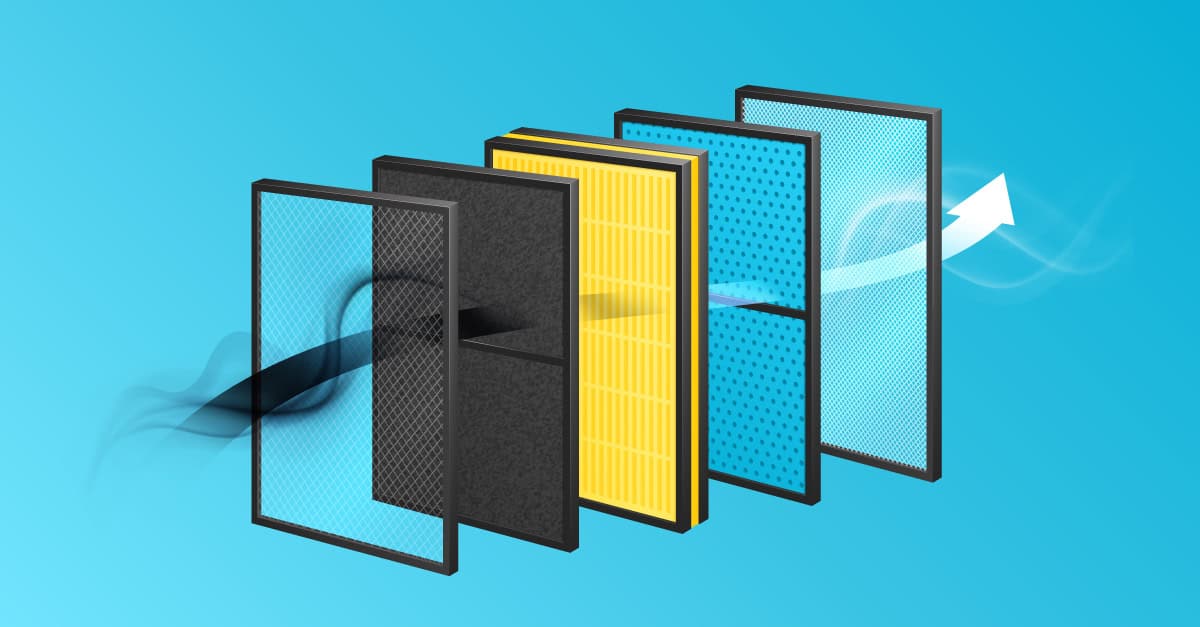
- Cut back on bottled water. Instead, use a high-quality water filter (such as reverse osmosis or fine carbon filtration) and glass or stainless-steel containers
- Rinse produce
- Trim fat from meats
- Reduce your intake of highly processed or heavily packaged foods
- Vacuum regularly with a high-efficiency particulate air (HEPA) filter vacuum cleaner
- Keep good ventilation in the home
- Wash synthetic clothing less frequently or use fiber-catching laundry bags to reduce airborne particles
- Minimize the use of products that contain microplastics—such as certain cosmetics
Take-Home Message
Tiny particles of plastic—microplastics—are pervasive in our environment and are known to enter and circulate in our body tissues. Little is currently known about the health implications, but we have reason to believe they may create damaging changes in our cells. It may be prudent for people to reduce the amount of plastic released into the environment and to take steps to reduce personal exposure to microplastics.
References:
World Health Organization website
Harvard Health News
Journal of Global Health medical journal
Nature science journal
