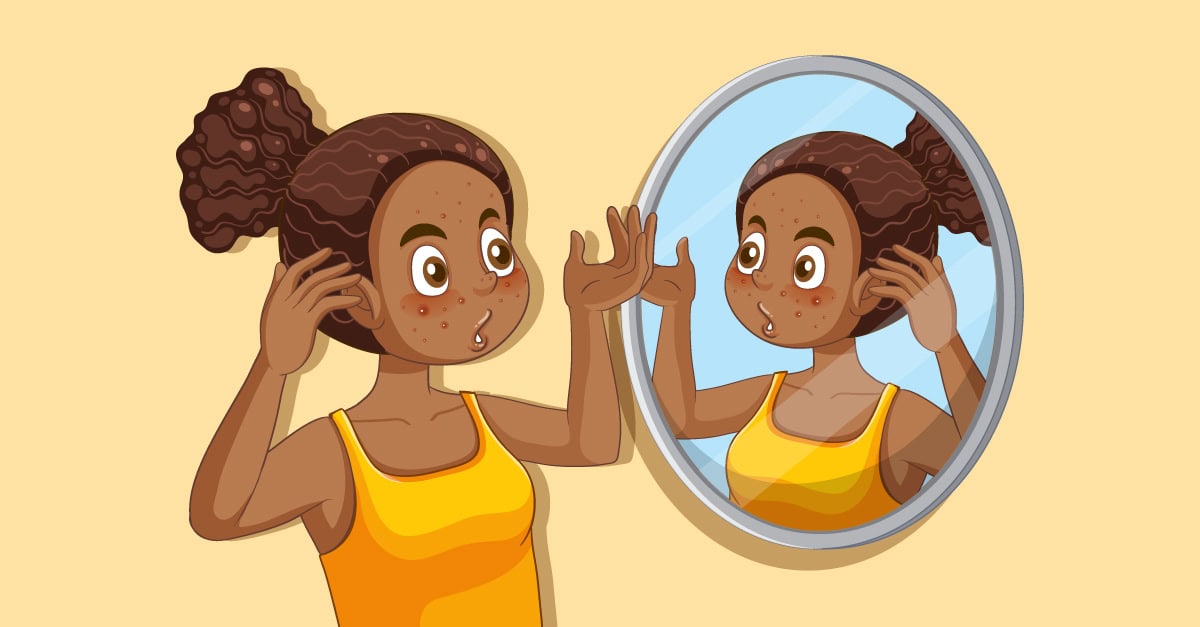
Have you ever looked in the mirror and wondered, “I’m not a teenager, so why do I still have acne?” Although acne is common in adolescence, it can occur at any age. However, there are differences between adolescent and adult acne. Read on to find out how these differences may apply to you.
Causes of Acne
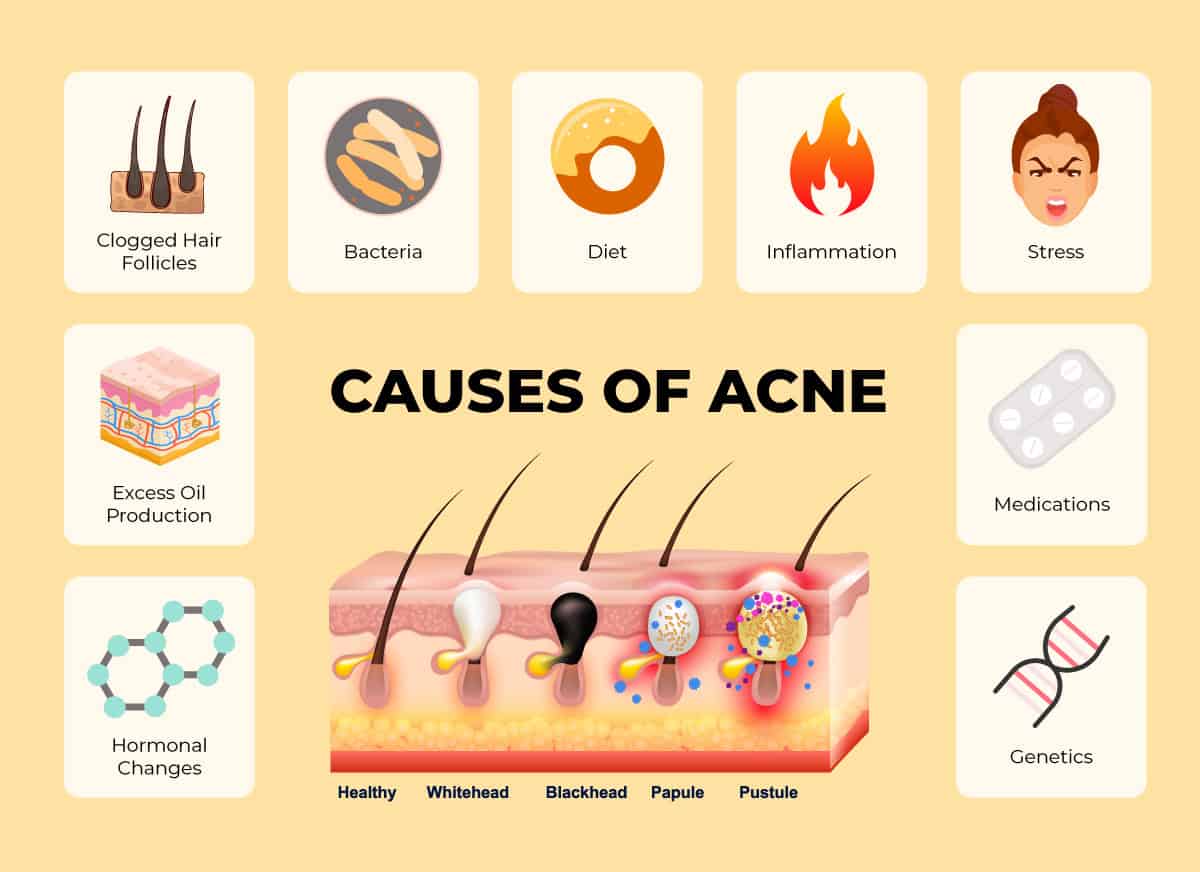
Acne is caused by four direct factors:
· Excess oil (sebum) production
· Blocked pores (dead skin cells, keratin protein, and excess oils)
· Bacteria—certain microbes thrive inside blocked pores
· Inflammation—excess oil, bacterial overgrowth, and inflammation cause the swelling, redness, and soreness of acne
These factors can be influenced by other indirect factors, such as:
· Hormones—sex hormones (androgens and estrogens) can trigger breakouts, especially during hormonal fluctuations during puberty and menstruation
· Genetics—a family history of acne may increase your risk
· Stress—the stress hormone cortisol can spark eruptions
· Diet—sugary foods and dairy may worsen acne
· Cosmetics—some makeup, moisturizers, and sunscreens can block pores and trigger acne. Such products are called “comedogenic”
· Medications—some medications may cause acne. Examples include lithium, corticosteroids, and B-vitamin complex
Types of Acne
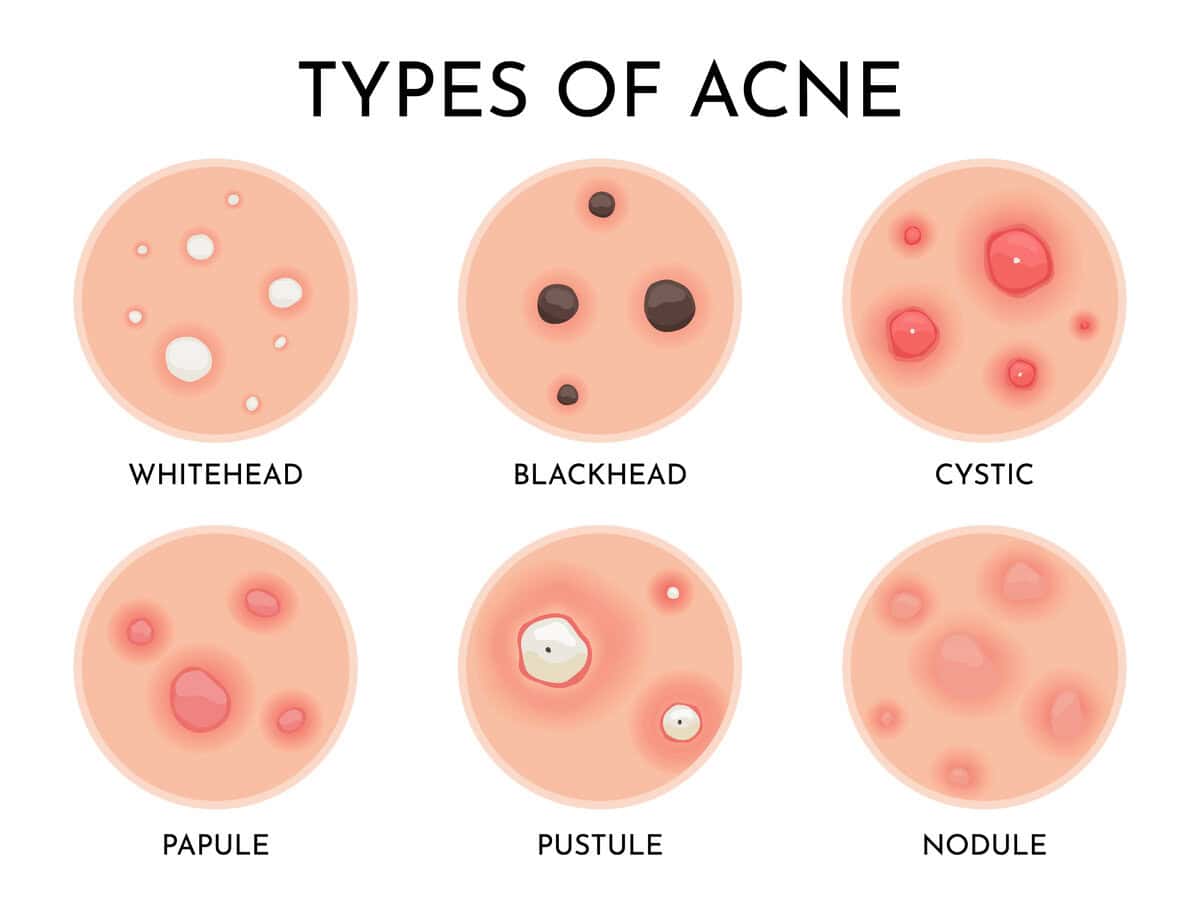
Acne can appear in one or a combination of 6 ways:
· Blackheads (open comedones)—blocked pores that appear black at the surface
· Whiteheads (closed comedones)—clogged pores that remain under the skin, appearing white
· Papules—small red or pink bumps
· Pustules—like papules, but contain pus, giving them a white or yellow center
· Nodules—larger, firm lumps under the skin
· Cysts—severe, deep nodules that contain pus
Medical Conditions that Cause Adult Acne
Certain medical conditions may cause acne in adults. For example, polycystic ovarian syndrome (PCOS) is the most common cause of hormonal acne in adult women. PCOS is relatively common, but rarer conditions may also cause acne. Typically, acne caused by a medical condition is severe, treatment-resistant, and accompanied by other symptoms.
Acne rosacea (papulopustular rosacea) is a subtype of rosacea. Acne rosacea causes acne-like red, inflamed, pus-filled bumps on the face that are easily mistaken for acne.
Unlike acne, which is more common in teenagers, acne rosacea is typically seen in adults over 30. You can distinguish between acne and acne rosacea by several differences. Unlike acne, rosacea usually involves generalized facial redness or flushing, spider veins, and warmth to the touch. As well, acne often includes blackheads, whereas rosacea does not.
Differences Between Teenage and Adult Acne
Adult acne has some subtle differences from teenage acne:
· Adult acne tends to be more painful, inflammatory, and deep
· Teenage acne is mostly due to sex-hormone-driven excess oil production, while adult acne is typically more driven by hormonal fluctuations, chronic stress, and diet
· Teen skin heals faster from acne, while adult skin is less resilient and may scar or discolor
· Adult acne is more difficult to treat
· Adult acne is more likely to be caused by medical conditions, such as rosacea or PCOS
Tips for Avoiding Adult Acne
You can avoid or reduce adult acne by following a few tips:
· Remove makeup before bed
· Only purchase cosmetics or skin care products labeled “non-comedogenic”
· Don’t use facial products or shampoos that contain oils
· It may help to avoid high-sugar foods and dairy products
· Avoid skin-care products that irritate your skin (except for acne treatments) · Avoid picking at or squeezing pimples, as this may cause skin discoloration and scarring
Treatment of Adult Acne
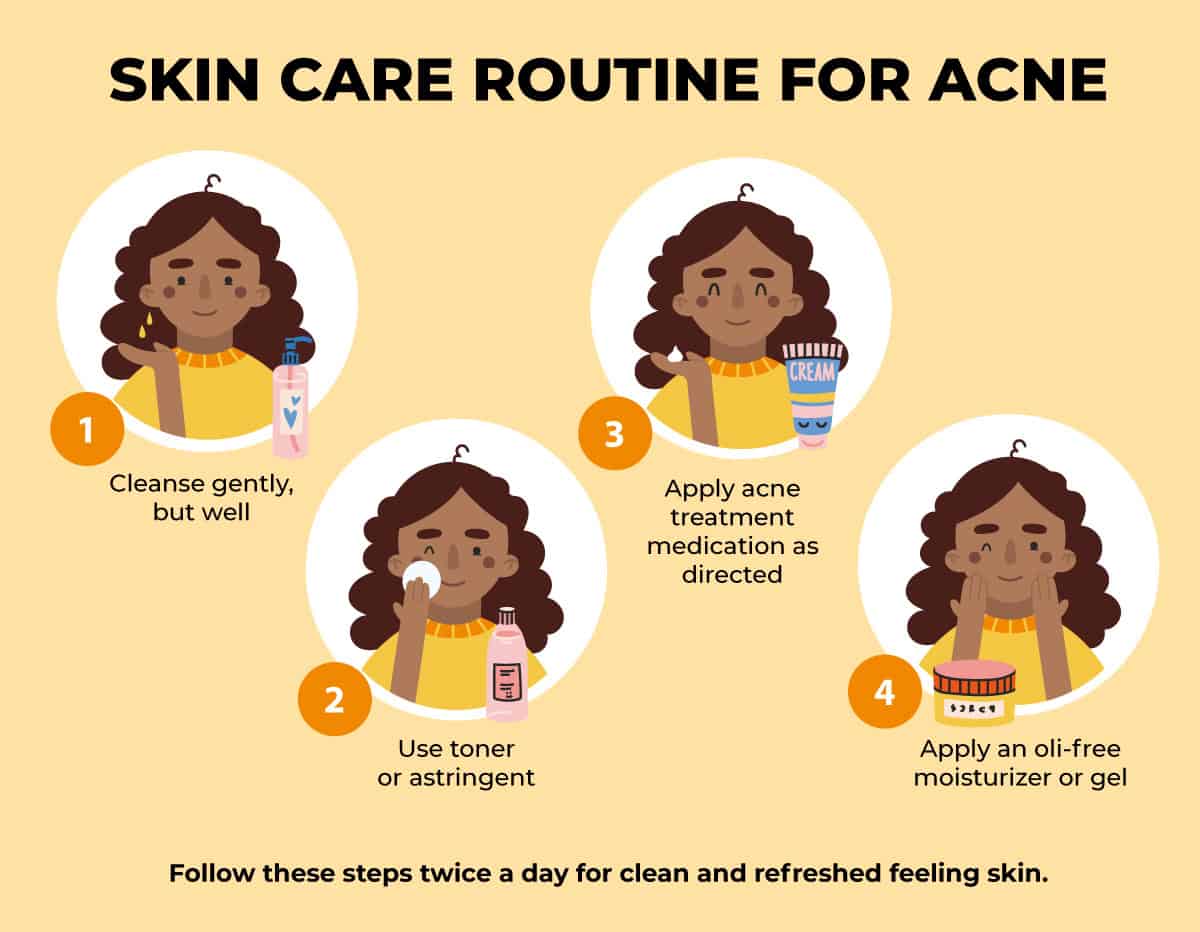
Treatment of adult acne is similar to that of teen acne but differs in that treating oily skin is a priority for teens, whereas dry skin is usually an issue with adults. Treatment is graded, starting with the basics and progressing to increasingly potent therapies only if needed. Treatment options include:
• Lifestyle modifications—reduced sugar diet, healthy stress-coping techniques, and effective facial skin-cleansing and moisturizing routines.
• Topical medications—a variety of prescription and over-the-counter (OTC) medications are available. Some unclog pores, and others target the bacteria in acne.
• Oral medications—all are by prescription and include hormonal treatments and antibiotics.
• Skin procedures—chemical peels; intense pulsed light (IPL) treatments; and cortisone injections into nodules and cysts.
• Isotretinoin (for example, Absorica, Amnesteem; Accutane is no longer available in the United States)—this oral medication is the ultimate treatment for acne but has numerous toxicities and potential side effects. Therefore, it’s used only as a last resort for severe acne.
Take-Home Message
Acne is common among adults but differs somewhat from teenage acne. Understanding these differences can help you to prevent or treat it, beginning with a proper at-home skin care routine and well-chosen products.
