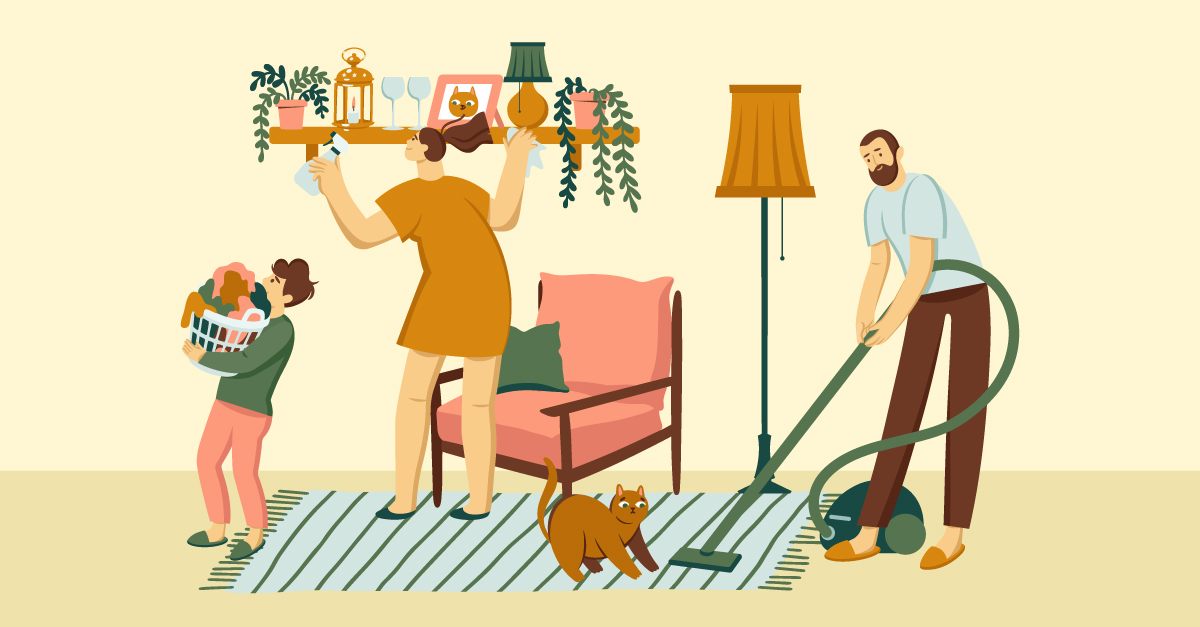
Physical activity—exercise—is fundamental to both our physical and mental health, clearing the mind as it strengthens the muscles. Regular movement improves circulation, strengthens muscles and bones, sharpens mental focus, and helps manage stress and regulate mood. In an age with long hours sitting, adding movement to our daily lives reduces physical stiffness and mental fatigue, restoring energy, agility, and overall well-being.
How Much Physical Activity Do We Need?
In the United States, three main organizations offer similar guidelines: the American Heart Association (AHA), the Department of Health and Human Services and the World Health Organization (WHO). Based on the WHO guidelines, adults aged 18 to 64 should aim for at least:
- 150 to 300 minutes of moderate-intensity aerobic physical activity or 75 to 150 minutes of vigorous-intensity aerobic physical activity per week
- Muscle-strengthening activities of moderate or greater intensity involving all major muscle groups on 2 or more days a week
The WHO website also has guidelines for children aged 5 to 17, adults 65 and older, pregnant and postpartum women, adults with chronic conditions, and children with disabilities.
These recommendations are based on extensive research showing that these levels of physical activity are associated with reduced mortality from cardiovascular disease and reduced all-cause mortality.
Are Americans Getting Enough Physical Activity?
According to the Centers for Disease Control and Prevention (CDC), only 46.9% of American adults meet the physical activity guidelines for aerobic activity, and just 24.2% meet the guidelines for both muscle-strengthening and aerobic activity.
We can improve by realizing physical activity is an essential element of self-care. Adding it into our daily routine can make it a habit, like brushing our teeth or washing the dishes. While some may think that physical activity means joining a gym, many activities can be tailored to our schedule, abilities, and interests, including housework.
How Does Housework Fit in as Physical Activity?
Any activity that involves moving our body, elevating our heart rate, and burning calories qualifies as physical activity. While any movement is good, it should be of at least moderate intensity to be effective.
Light-intensity housework includes folding laundry, washing dishes, or dusting. Moderate-intensity chores include vacuuming, sweeping, mopping, and basic gardening. Vigorous-intensity housework could involve scrubbing floors on hands and knees, moving furniture, cleaning windows, or heavy gardening.
To increase the intensity of housework, try:
- Boosting the pace: working faster increases the heart rate
- Adding movement: doing lunges while picking up items, vacuuming, sweeping or mopping
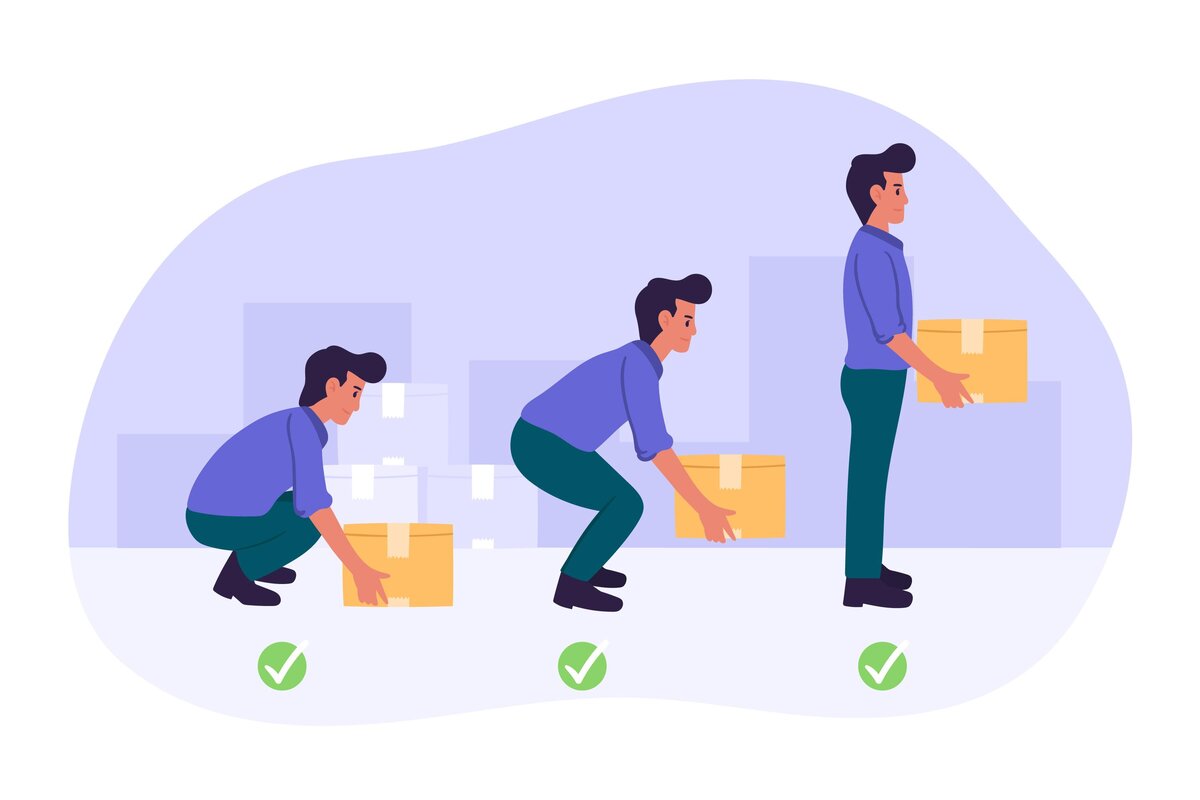
- Use good form: engage your core muscles and use proper lifting techniques to maximize muscle use and avoid injury

Housework as a Low-Impact Aerobic Activity
Aerobic activities are those that increase your heart rate and breathing because you’re forcing your muscles to use more oxygen. Low-impact exercise minimizes stress and strain on your joints while having positive impact on your health. Low-impact exercises generally involve leaving at least one foot on the ground. For example, jumping rope is high impact because each jump and landing jolts the joints in your ankles, knees, hips, lower back, and neck.
The WHO guidelines recognize chores as an aerobic activity when performed at a moderate to vigorous intensity for at least 10 minutes at a time.
Housework as a Muscle-Strengthening Activity
Muscle-strengthening exercises force muscles to work harder than usual by adding resistance to movement. The WHO recognizes that household chores involving lifting, pushing, pulling, or carrying provide muscle-strengthening benefit. Examples include moving furniture or boxes, carrying shopping bags, or scrubbing walls.
Take-Home Message
While the WHO guidelines recommend dedicated, structured exercise to meet weekly goals, household chores can meaningfully increase your physical activity while also checking off your to-do list.