Hand grip strength is a simple measurement that can tell us about your upper limb muscle strength. It’s a commonly used test in the overall assessment of health and function because it’s cheap and easy to obtain. It can quickly evaluate muscle function as part of an overall physical examination. But is it correct to call it the “10-second longevity test?”
How Grip Strength Is Measured
Hand grip strength is usually measured with a handheld “dynamometer.” You’re seated, with feet flat on the floor. The device is adjusted to your hand size, then you’re asked to squeeze the handle with maximum effort. Three trials are done with each hand, and the highest score is used as the final result.
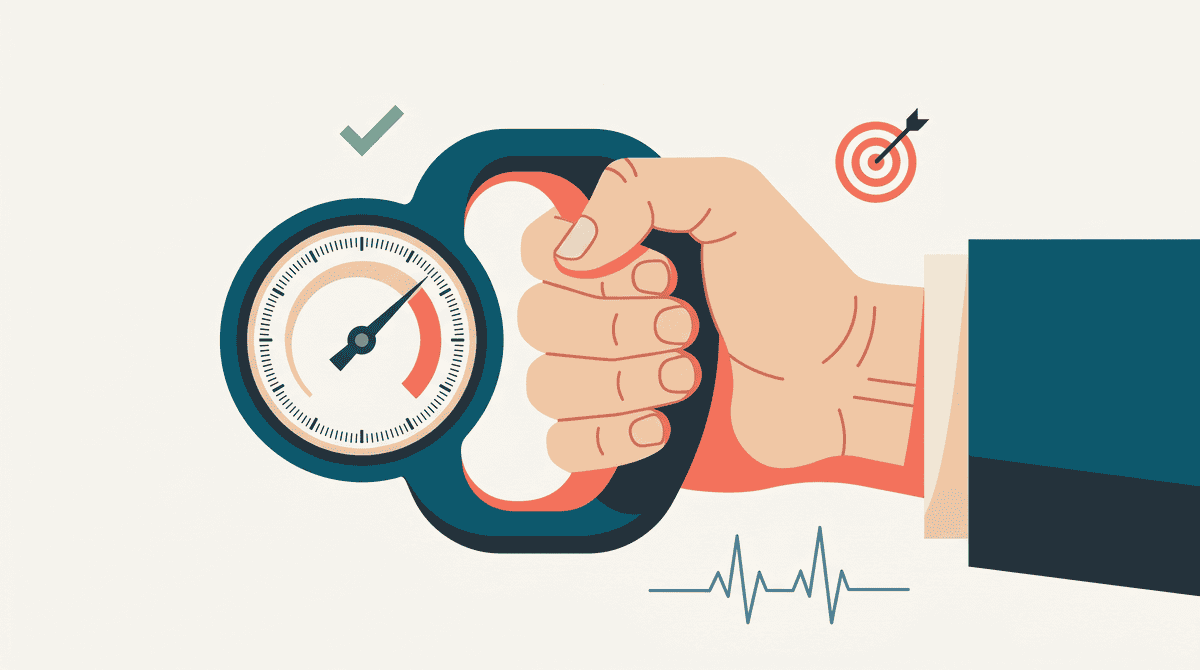
The strength score from the grip test is compared to data compiled from people in your own age range and gender to determine how your grip strength measures up.
What Does Your Grip Strength Tell Us About You?
Studies have established that hand grip strength is a consistent predictor of a number of important health measures, including:
- Overall muscle strength
- Upper limb function
- Diabetes
- Overall quality of life
- Nutrition status
- Bone mineral density (BMD)
- Falling risk
- Fracture risk from falls
- Cognitive impairment
- Depression
- Future problems with function
- Problems with hospital admissions
What Does Grip Strength Have to Do With Longevity?
High-quality research evidence has shown that grip strength is a reliable predictor of all-cause and disease-specific mortality. For example, a large study using data from more than 9,500 people in the United States (US) concluded that even the most basic measurement of grip strength predicts all-cause mortality.
An international study of 140,000 adults found that grip strength is a better predictor of cardiovascular disease and premature death than blood pressure. The study found that a 5 kg (11 lb) reduction in grip strength is associated with a 16% higher mortality rate.
Another study tested the grip strength of people aged 56 to 68 years in the 1960s and tracked them for the next 44 years. The researchers found that those who lived past 100 were 2.5 times more likely to have been in the top one-third in grip strength at the beginning of the study compared to those who died before age 80.

Why would this be? How could something as trivial as hand grip strength be so predictive of our overall health and lifespan? Well, a 2022 study found that overall muscular weakness, as measured by low grip strength, is an independent indicator of our age acceleration, or our “biological age.” Our biological age indicates how much our body has aged, regardless of our chronological age (our age based on how many years we’ve been alive).
Our biological age is measured by how much “DNA methylation” has occurred in our body. “DNA methylation” refers to patterns of how certain genes in your DNA have been switched on or off over time. These occur at a predictable rate over time, so doctors can see whether you are ahead of the clock in terms of aging (high biological age) or behind the clock (lower biological age) (see our article, “Biological Age vs Chronological Age — How Doctors Measure Aging Now.”). The 2022 study found that hand grip strength is highly associated with your biological age; therefore, it predicts your health risks and remaining lifespan.
So What?
So, the obvious question is: Will improving our grip strength reduce our risk of cardiovascular disease, mortality, and all the other health problems associated with grip strength? Well, many news outlets have suggested that may be so, but a review of the research evidence doesn’t show any proof of that. Here’s why.
Grip strength is a “proxy” measure for overall level of function and fitness. In other words, if someone has a good grip strength, they probably also have good overall muscle strength, which likely means they were active and took care of themselves. In other words, it’s probably the genetics and lifestyle that led to the strong grip that reduces their risk of poor health, not the actual grip strength itself.
So, based on the available evidence, grip strength is a marker of our overall health and fitness, not a determinant of our overall health. If we wish to reduce our risk of a long list of health problems and improve our life expectancy, we should concentrate on those things that contribute to our overall health and are known to reduce our risk of disease and death. This means simple things, like a healthful, calorie-restricted diet, restorative sleep, regular physical activity, and achieving and maintaining a healthy body weight. Learning to manage stress in a healthy way also goes a long way to reducing our health risks.
Take-Home Message
The 10‑second longevity test of hand grip strength is a consistent predictor of a number of health outcomes and lifespan. However, don’t expect that simply improving your grip strength will improve your overall health and longevity. That requires improving your overall fitness and self-care.
References:
Nature Scientific Reports
British Broadcasting Corporation news
The Lancet medical journal
Journal of Cachexia, Sarcopenia and Muscle
Age medical journal