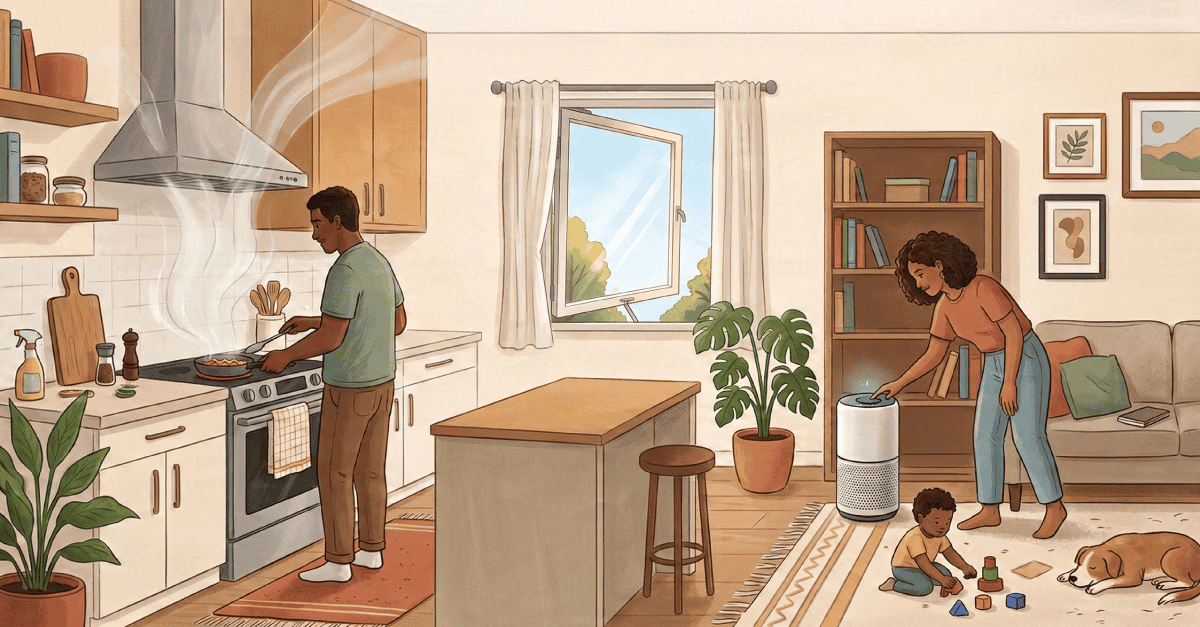
Most people associate air pollution with traffic congestion, industrial emissions, and smog-filled cities. However, the air inside your home may sometimes be toxic to your family’s health as well. Everyday activities such as cooking, cleaning, heating, and even burning scented candles can release harmful compounds into the air.
According to the United States (US) Environmental Protection Agency (EPA), concentrations of certain air pollutants can be 2 to 5 times higher indoors than outside. Most people spend 90% or so of their time indoors, so exposure to these pollutants can have important health implications.
Understanding where indoor air pollution comes from, how it affects your health, and what you can do to reduce it is an important step toward creating a healthier home.
What Causes Indoor Air Pollution?
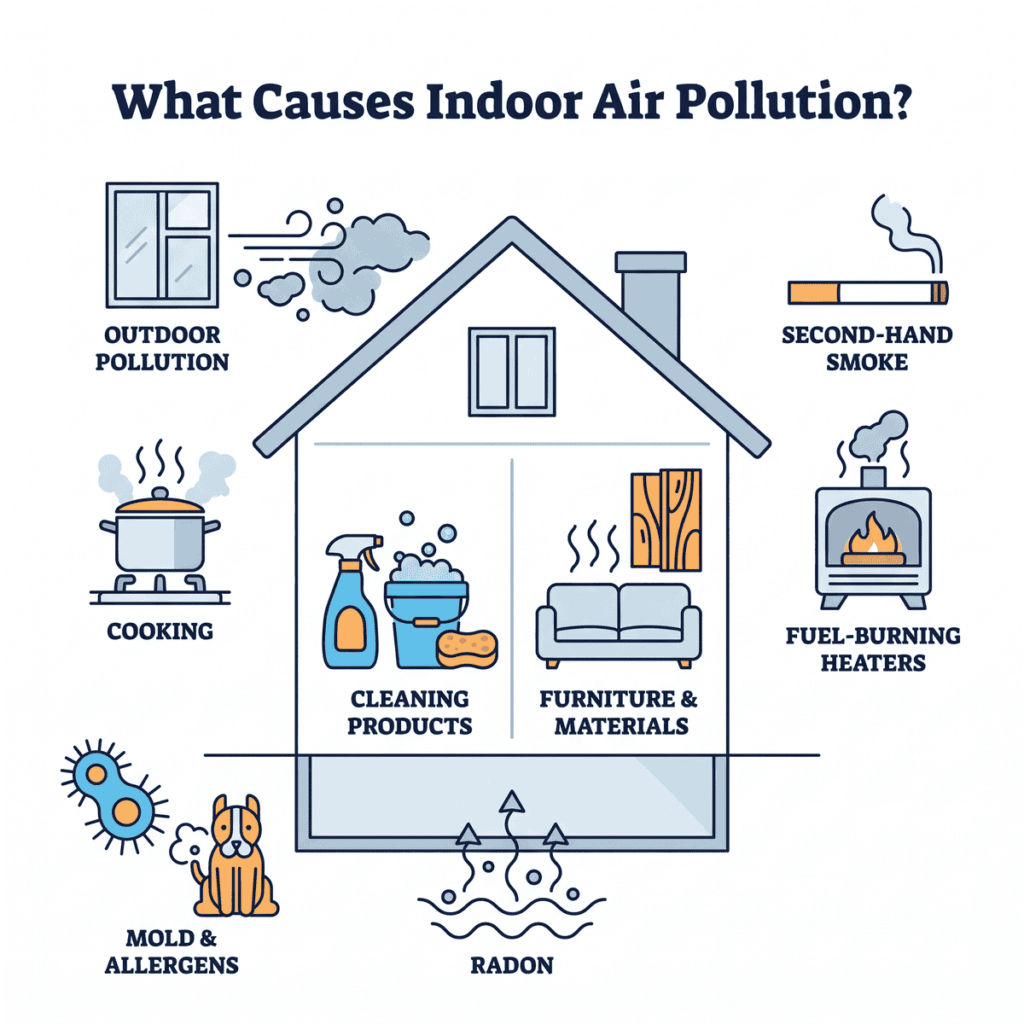
Indoor air pollution results from a combination of pollutants generated inside the home and contaminants entering from outdoors. Common sources include:
- Cooking: Gas stoves release nitrogen dioxide (NO₂), carbon monoxide (CO), and other byproducts. Cooking (including with electric stoves) can also generate fine particulate matter.
- Second-hand smoke.
- Cleaning products: Disinfectants, air fresheners, and household cleaners may release volatile organic compounds (VOCs).
- Radon gas: Radon is a radioactive gas that is released during the natural decay of uranium 238 (U238). Radon levels in outdoor air are harmless, but radon enters buildings and can accumulate in high concentrations, posing a serious health hazard.
- Hardware materials and furniture: Paints, adhesives, carpeting, and pressed-wood furniture can emit toxic chemicals such as formaldehyde.
- Heating appliances: Fireplaces, wood-burning stoves, and fuel-burning appliances can release particulate matter and CO.
- Biological contaminants: Mold, dust mites, pet allergens, and other biological particles.
- Outdoor pollution: Wildfire smoke, traffic emissions, and industrial pollutants can enter through windows, doors, and ventilation systems.
The concentration of these pollutants depends on factors such as ventilation, temperature, humidity, building characteristics, and the frequency of activities that generate emissions.
How Indoor Air Pollution Affects Your Health
The health effects of indoor air pollution depend on the type of pollutant, its concentration, and the duration of exposure. Children, older adults, pregnant individuals, and people with existing respiratory or cardiovascular conditions may be particularly vulnerable to some indoor air pollutants.
Respiratory Problems
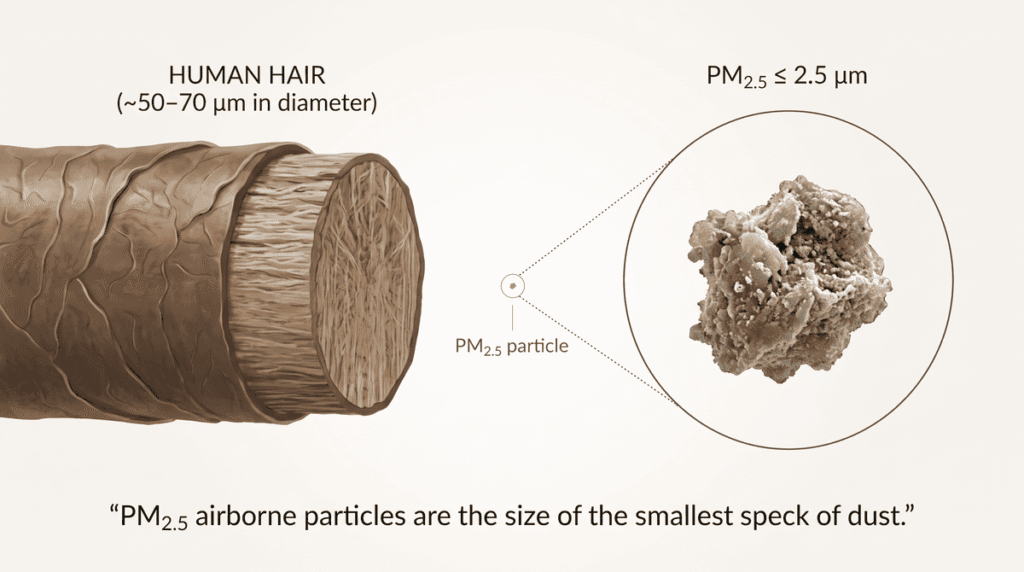
Indoor pollutants can irritate the airways, causing coughing, wheezing, shortness of breath, and worsening asthma symptoms. Fine particulate matter (PM2.5), consisting of particles measuring 2.5 micrometers or smaller, can penetrate deep into the lungs.
Research has linked exposure to indoor pollutants with respiratory problems in children. A 2023 study estimated that gas stove use may contribute to some childhood asthma cases in the US, although this study does not establish that gas stoves cause asthma.
Radon affects the lungs when it is breathed in and is second only to smoking as the most common cause of lung cancer worldwide.
Cardiovascular Effects
PM2.5 can enter the respiratory system and trigger inflammation, oxidative stress, and changes in blood vessel function.
Long-term exposure to particulate air pollution has been associated with increased risks of cardiovascular disease, including heart attacks and strokes. Although much of this evidence comes from outdoor pollution studies, indoor exposure contributes to a person’s overall particulate pollution burden.
Allergies and Other Health Effects
Mold spores, dust mites, and pet allergens can trigger allergic rhinitis (hay fever), asthma, and other respiratory maladies in susceptible individuals.
Some VOCs may cause headaches, eye irritation, or throat discomfort. Certain substances, including benzene and formaldehyde, also have recognized carcinogenic hazards.
How To Improve Indoor Air Quality
Research suggests that reducing pollution at its source, improving ventilation, and using appropriate air filtration can meaningfully reduce exposure.
Improve Ventilation
Use kitchen exhaust fans that vent outdoors when cooking. Bathroom fans can help remove excess moisture that may promote mold growth. Open windows when outdoor air quality is favorable, but keep them closed during wildfire smoke events or other periods of significant outdoor pollution.
HEPA Air Purifiers
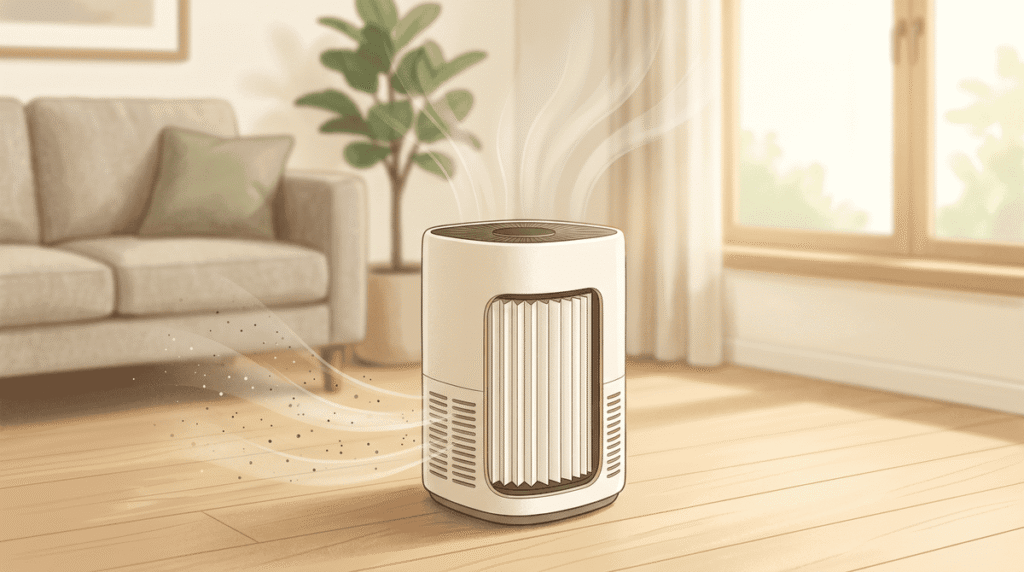
Air purifiers equipped with high-efficiency particulate air (HEPA) filters can remove airborne particles, including dust, smoke, and some allergens. A 2026 review found that air purification can reduce indoor particulate pollution and may provide respiratory and cardiovascular benefits.
Choose a purifier with a clean air delivery rate (CADR) appropriate for the room’s size. Remember that HEPA filters do not effectively remove gases such as CO or radon.
Reduce Indoor Pollution Sources
Avoid smoking indoors, limit scented candle and incense use, and choose low-VOC paints and cleaning products when possible. Vacuum carpets frequently with a HEPA-equipped vacuum cleaner to prevent release of VOCs in the carpet into the air, and to prevent re-emitting other pollutants that may have settled onto the carpet.
Control Moisture and Mold
Repair leaks promptly, dry wet materials, and maintain indoor relative humidity around 30% to 50%.
Test for Invisible Hazards
Install CO detectors near sleeping areas and on each level of your home. Test for radon. Like CO, radon gas is colorless and odorless, so specialized testing is the only way to know if your home has dangerous levels. You can obtain your own test kit through the National Radon Program Services or home improvement stores.
Conclusion
Invisible airborne pollutants may affect your health without obvious warning signs. The good news is that many sources of indoor pollution are preventable or manageable. Improving ventilation, reducing combustion-related emissions, controlling moisture, and using appropriate air filtration can help create a healthier home.
References
US Environmental Protection Agency (EPA) website
International Journal Environmental Research & Public Health medical journal
Journal of Allergy & Clinical Immunology medical journal
Water, Air, & Soil Pollution research journal
Environ Health medical journal
EPA indoor air quality guidance