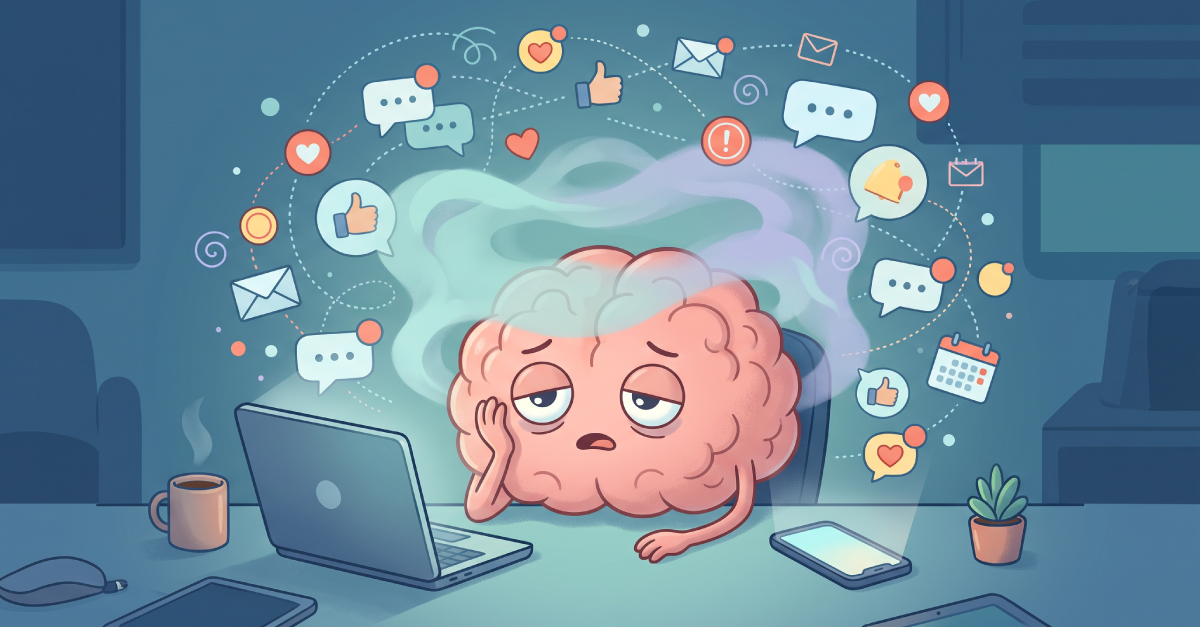
Smartphones, social media, streaming services, and constant notifications have transformed how we work, communicate, and entertain ourselves. However, our increasingly digital lifestyles may also affect how well we think, concentrate, and remember information.
Have you ever spent hours scrolling through social media, with your eyes on a screen, or checking multiple devices or accounts while working on a task, only to feel mentally exhausted, distracted, or unable to concentrate afterward? You may be experiencing what is commonly called brain fog.
Although brain fog can have many causes, emerging research suggests that excessive digital stimulation may contribute to cognitive difficulties (cognitive = the mental processes of thinking, learning, remembering, and understanding). Understanding these effects can help you develop healthier digital habits without abandoning technology altogether.
What Is Digital Overstimulation?
Digital overstimulation occurs when exposure to screen media and constant notifications, multi-tasking, and competing demands exceed the brain’s natural processing capacity. Our brains constantly process information, but the constant competing demands for our attention require repeated rapid shifts in attention.
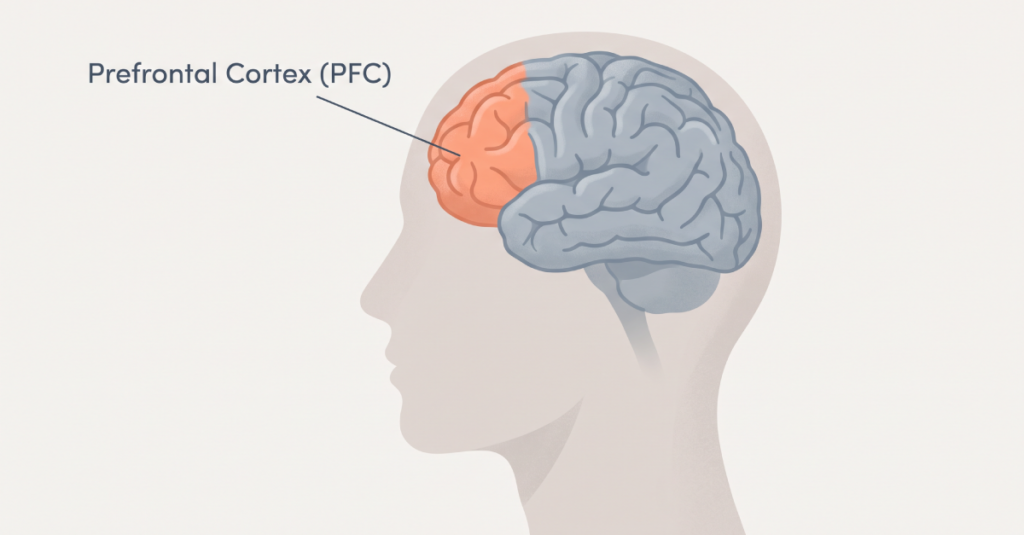
The brain’s prefrontal cortex (the PFC; the part of the brain behind your forehead) plays a key role in attention, planning, decision-making, and short-term memory; in other words, cognition. Modern-day screen media, messaging, and workplace and life demands can overtax the PFC’s capacity, resulting in slowed performance.
What Is Brain Fog?
Brain fog is a symptom that describes the sensation a person experiences when they say, “I feel foggy.” More specifically, people with brain fog may experience:
- Difficulty concentrating or maintaining attention,
- Forgetfulness and short-term memory difficulties,
- Slowed thinking,
- Mental fatigue, even after simple tasks,
- Difficulty organizing thoughts,
- Difficulty finding words, and
- Feeling mentally overwhelmed.
These symptoms may interfere with work, school, and other aspects of day-to-day functioning. They may last a few hours or days, be intermittent or constant, and they may become chronic, lasting years.
Brain fog does not necessarily indicate a neurological disease. There are many possible underlying causes, such as sleep deprivation, stress, depression, medication side effects, and various medical conditions. And…digital overstimulation.
How Does Digital Overstimulation Affect the Brain?
There is currently insufficient research evidence to suggest that digital overstimulation causes permanent brain damage. Furthermore, educational applications, communication platforms, and intellectually engaging activities can provide meaningful benefits. The potential effects of digital media use on brain function appear to depend on the characteristics of the media and how it is used.
Attention Fragmentation and Cognitive Overload
Every notification, message, or interruption competes for your attention. For example, imagine writing an important report while repeatedly checking emails, responding to texts, and browsing social media. Each interruption requires you to redirect your attention and then re-establish your concentration on the original task. This process increases cognitive demands, often to the point of mental exhaustion.
Disrupted Sleep and Mental Fatigue
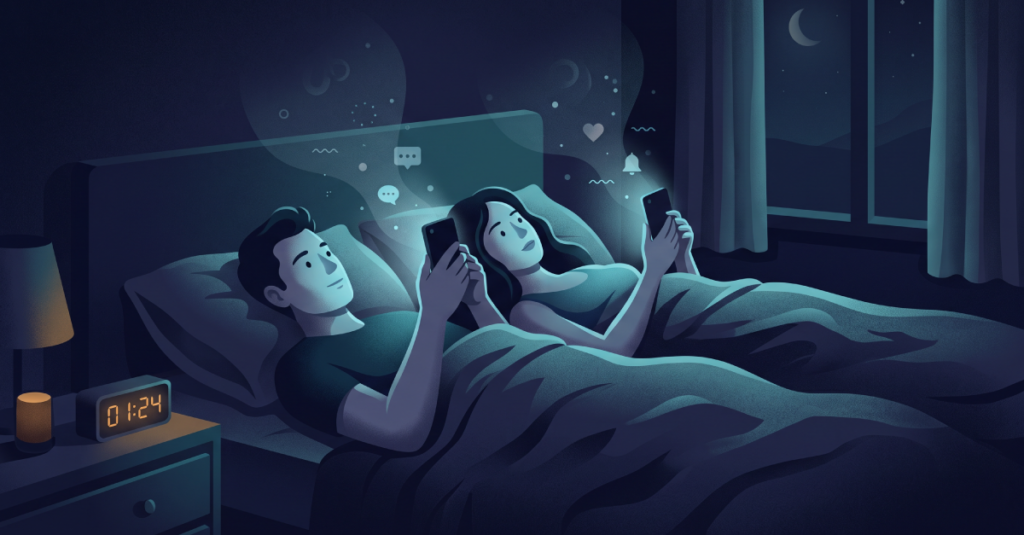
Excessive screen exposure, particularly before bedtime, may interfere with sleep through mental stimulation, delayed bedtimes, and exposure to artificial light. Inadequate sleep may partly explain why some heavy screen media users experience brain fog.
Stress and Emotional Overload
Digital media exposes users to continuous streams of information, including emotionally charged posts, social comparisons, and demanding communications. Constant connectivity may contribute to stress, anxiety, and difficulty mentally disengaging. Stress can interfere with attention and working memory, potentially worsening feelings of mental exhaustion.
How Can You Reduce Digital Overstimulation and Brain Fog?
Adding some practical strategies to your digital use patterns may help reduce mental fatigue and improve concentration:
- Practice single-tasking. Focus on one demanding activity at a time. Close unnecessary browser tabs and silence nonessential notifications.
- Schedule regular screen breaks. Periodically step away from your computer or smartphone. Walking, stretching, or spending time outdoors may provide a much-needed mental reset.
- Establish screen-free periods. Consider avoiding stimulating digital activities during meals, conversations, and the hour before bedtime.
- Prioritize sleep. Maintain a consistent sleep schedule and aim for 7 to 9 hours nightly.
- Reduce unnecessary notifications. Disable alerts from applications that do not require immediate attention.
- Stay physically active. Regular exercise supports cardiovascular health, sleep quality, mood, and cognitive function.
When Should You See a Doctor?
Occasional mental fatigue or even brain fog following prolonged screen use is usually not concerning. However, persistent, worsening, or unexplained brain fog or cognitive decline may warrant medical evaluation.
Potential underlying causes include sleep disorders, thyroid disease, vitamin B12 deficiency, medication side effects, long COVID, depression or other mental health disorders, and neurological conditions.
The Bottom Line
Digital overstimulation may contribute to brain fog by fragmenting attention, increasing cognitive demands, and disrupting sleep. However, current research does not establish that everyday digital activity causes permanent ill effects on brain function.
The goal is not to eliminate technology but to use it in a healthy way. By protecting your sleep, minimizing distractions, and allowing time for uninterrupted concentration, you may improve mental clarity while continuing to enjoy the benefits of a connected world.
References
Canadian Journal of Experimental Psychology medical journal.
Journal of Psychosocial Nursing and Mental Health Services medical journal.
Journal of the American Medical Association Network Open medical journal.
Journal of Medical Internet Research medical journal.
Sleep Health medical journal.
Biomedical Central Public Health medical journal.
Brain Sciences medical journal.