
An ounce of prevention…as they say. Nowhere is that truer than when it comes to your health. For example, did you know that colorectal cancer can be spotted and cured in its precancerous stages with a screening colonoscopy examination? Better that than endure surgery, chemotherapy, and radiation later when it develops into full-blown cancer. Thus is the value of preventive healthcare.
An annual physical is your opportunity to review with your healthcare provider exactly what kinds of preventive care are appropriate for you. Preventive care is specific to each individual. Your age, gender, family history, and personal health history will determine what screening is right for you.
The guidelines for what your healthcare provider will check during your annual physical are set by the United States Preventive Services Task Force (USPSTF), which makes its recommendations based on research evidence on which preventive health measures are of beneficial and which are not.

Preventive care generally involves the following:
- Screening for health conditions (such as certain cancers or diabetes)
- Ensuring your vaccinations are up to date
- Lifestyle counseling (for such things as attaining and maintaining a healthy weight, or smoking cessation)
What Happens During an Annual Physical?
At your annual physical, your healthcare provider will gather information about you by asking you questions, performing a physical examination, and ordering tests.
Asking You Questions
Your healthcare provider will begin by taking a history, but if you are a regular patient, they may only ask for an update. They’ll want to know about relatives with cancer, diabetes, heart disease, or inheritable conditions, and whether you have any new health conditions, so it’s a good idea to be prepared with that information. They’ll ask about specific symptoms that may relate to conditions of concern. For example, they may ask if you’ve had any chest pain or shortness of breath, which may suggest heart or lung disease.
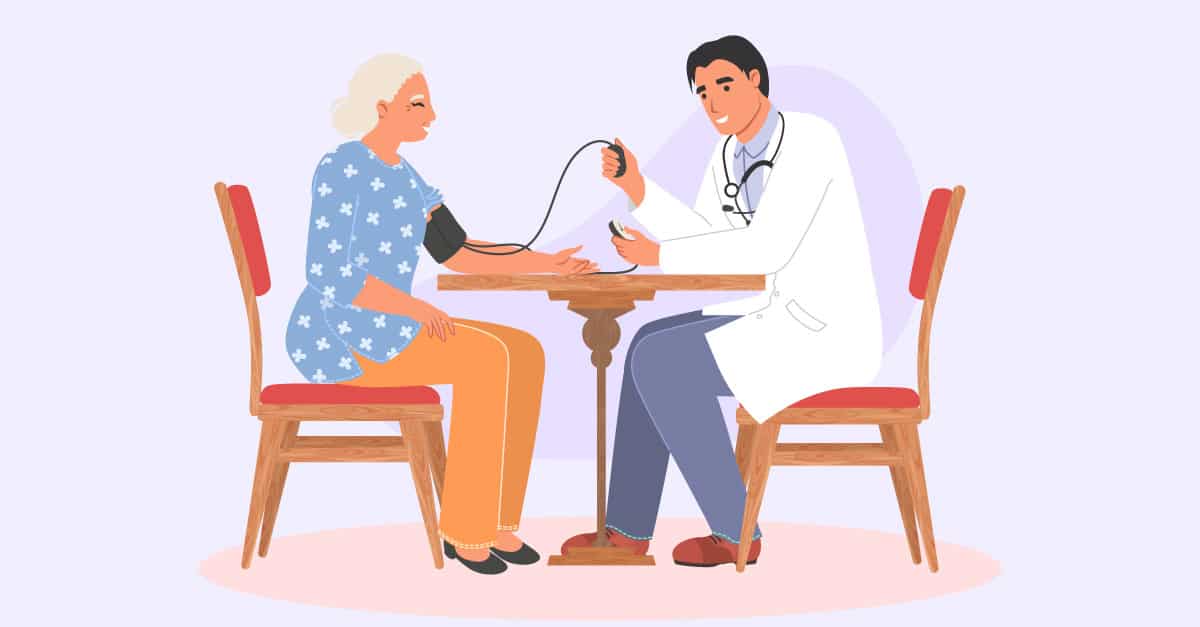
Physical Examination
Your doctor will then perform an overall physical examination, starting with taking your blood pressure and pulse rate. They’ll check you over top-to-bottom. They may offer male patients a testicular examination to check for testicular cancer or other problems. They may offer females of screening age a pelvic examination with a cervical test (Pap smear) to screen for cervical or other pelvic problems.
Tests
Screening blood tests will be offered based on USPSTF guidelines and your personal health history, family history, and risk factors. They may also arrange for other testing, such as:
- Screening mammogram for women aged 40 to 74
- Fecal occult blood test (FOBT) for ages 45 to 75 or colonoscopy for ages 50 and up
- Low dose computed tomography (LDCT) of the chest for certain current and former smokers
- Osteoporosis screening in women aged 65 and older
These tests may also be arranged for anyone outside the suggested age range who is at higher than average risk. You can see a complete list of the USPSTF recommended screening tests on their website).
Counseling
Healthcare providers are recommended to provide counseling during your annual exam, if appropriate to your situation. For example, they may discuss:
- Achieving a healthier weight
- Minimizing ultraviolet ray/sunlight exposure
- Smoking cessation
- Unhealthy drug or alcohol use
Why Go for an Annual Physical?
We’re all busy, and it may seem a waste of time to see our primary healthcare provider when we’re not sick or don’t need a prescription. However, life can slip by, and we may miss this opportunity to do some high-value self-care. There are a number of reasons for going for an annual physical.
Disease Prevention
Annual exams help identify risk factors for disease and allow your doctor to review how the screening guidelines apply to you.
Early Detection of Health Problems
Early detection of early health problems—such as hypertension (high blood pressure), diabetes, or even cancer—before symptoms appear leads to simpler treatment and better outcomes.

Updating Immunizations
Your doctor can review which immunizations may be right for you at this time. Many vaccinations are appropriate for adults, such as shingles, pneumonia, and flu shots. You may also be due for a tetanus booster.
Mental Health Assessment
Asking about your mental health during the annual health exam is recommended by the USPSTF guidelines. Mental health struggles, especially depression or anxiety, are very common and tend to sneak up on people unnoticed until the problem becomes serious.
Chronic Disease Management
If you have any ongoing or past health problems, your doctor can determine if you’re due for any follow-up tests or medication adjustments.
How Often Should You Go?
Even though it’s referred to as an “annual” physical, how often you should go for one is person-specific. Generally, people aged 18 to 39 should have one every 2 to 3 years. Once you turn 40, it’s a good idea to book a physical annually. If you have certain risk factors or health conditions, your doctor may make other recommendations.
