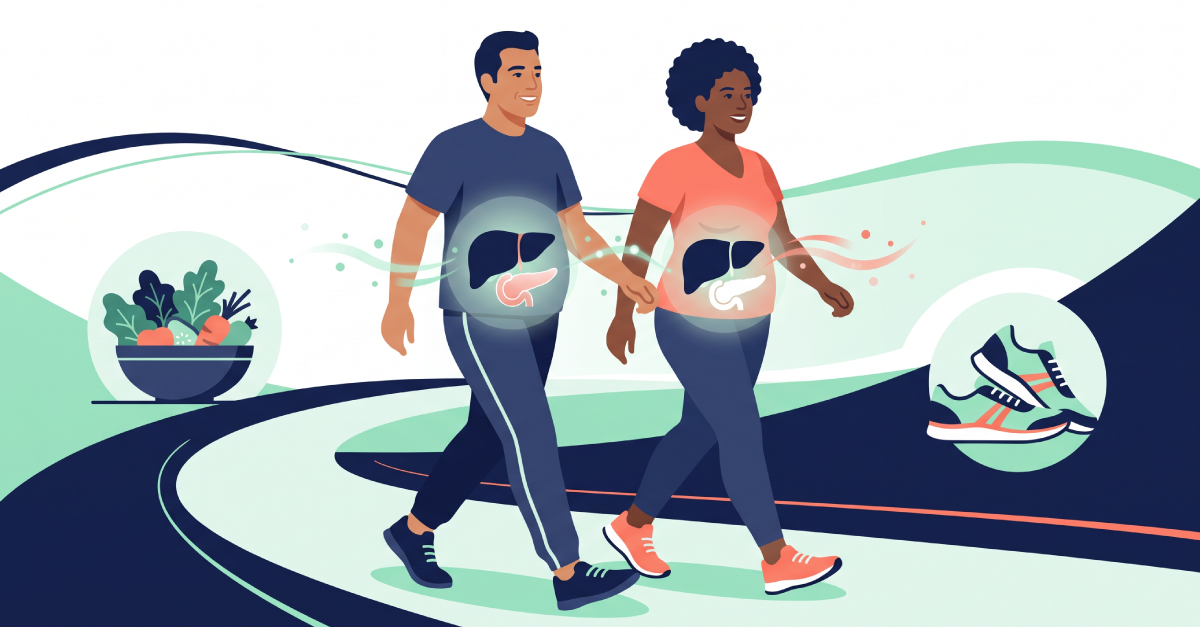
Insulin resistance is sometimes viewed as a permanent metabolic condition that will eventually lead to type 2 diabetes. However, current research offers a more encouraging picture. In many people, insulin resistance can be significantly improved and even reversed. Reversal depends on factors such as the underlying cause, severity and duration of insulin resistance, genetics, body weight, and lifestyle changes. In this article, we examine what causes insulin resistance, how it can be reversed, and the steps that may help restore the body’s sensitivity to insulin.
What Is Insulin Resistance?
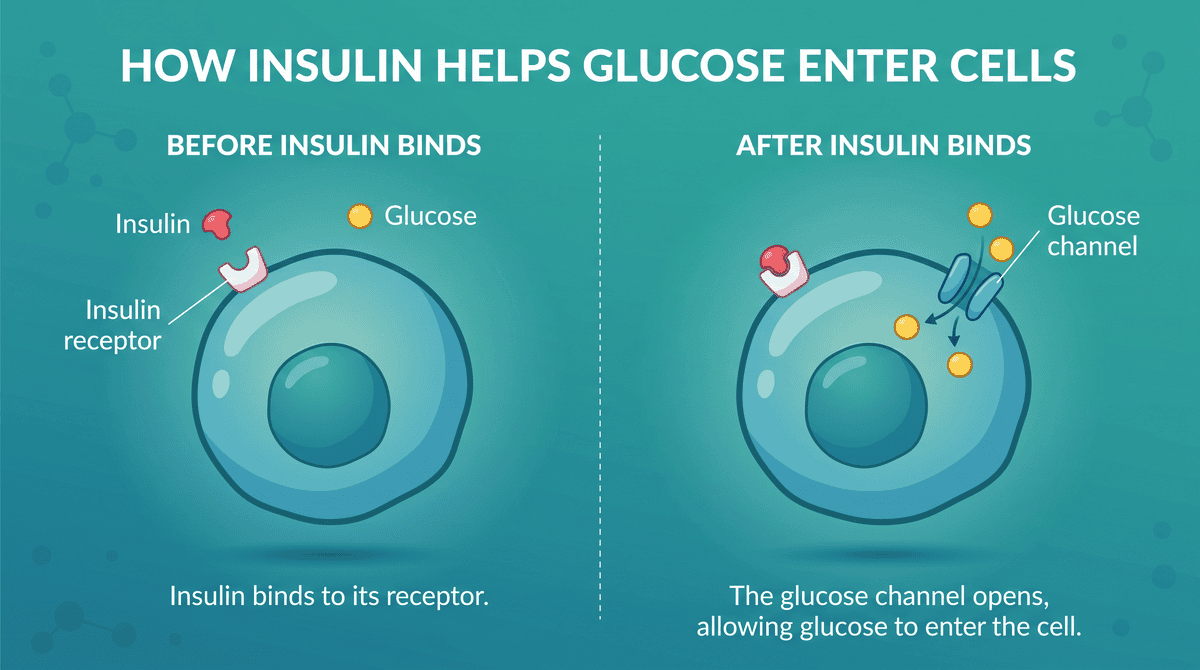
Insulin is a hormone produced by the pancreas that helps glucose (sugar) move from the bloodstream into cells, where it can be used for energy. With insulin resistance, tissues (especially muscle, liver, and fat) do not respond to insulin as effectively as they should. Because of that, glucose levels in the bloodstream remain high, and the pancreas compensates by producing more insulin.
For a time, this additional insulin may keep blood glucose within the normal range. Eventually, however, the pancreas may be unable to keep up. Blood glucose rises, potentially progressing from normal to prediabetes and eventually, type 2 diabetes.
Insulin resistance is influenced by numerous factors, including genetics, excess body fat, physical inactivity, aging, sleep patterns, diet, medications, and certain medical conditions. At the cellular level, inflammation, lipotoxicity (the accumulation of too much fat in the tissues), oxidative stress (exposure to free radicals, such as environmental toxins), and disruption of insulin-signaling pathways can all contribute.
Can Insulin Resistance Be Reversed?
In many cases, yes—but “reversed” does not necessarily mean permanently cured. Insulin sensitivity can improve significantly when the factors causing insulin resistance are changed. Most notably, the body can become more responsive to insulin when physical activity increases, energy balance improves (i.e. dietary intake is less than the amount of energy burned), and excess fat is reduced.
Reducing body fat levels appears to be the most important factor for addressing insulin resistance. Modest weight loss achieved through calorie restriction usually leads to a reduction and reversal of insulin resistance; even a 10% weight loss can have a big impact. This is likely partly why glucagon-like peptide-1 (GLP-1) agonist medications (such as semaglutide, available as Ozempic®) are effective for reversing insulin resistance in type 2 diabetes.
Losing weight may improve or reverse insulin resistance but maintaining a healthier body weight is important for keeping the body using insulin properly.
Why Losing Fat Can Improve Insulin Sensitivity
Losing excess body fat can help the body respond more effectively to insulin. This is particularly important for visceral fat (or “ectopic fat”), which surrounds organs in the abdomen, and fat that accumulates within organs such as the liver. Excess fat can release inflammatory compounds that interfere with insulin signaling, making it harder for body cells to respond normally to insulin. Weight loss can reduce these harmful fat deposits and improve insulin sensitivity.
Exercise May Help Even Without Major Weight Loss
Weight loss is not the only route to improved insulin sensitivity. Exercise has direct effects on how muscle handles glucose. Contracting muscles can increase glucose uptake through mechanisms that bypass insulin resistance. This helps lower blood glucose levels and makes muscle cells more responsive to insulin.
Both aerobic activity and resistance training can contribute to metabolic health. Resistance exercise may be particularly useful because skeletal muscle is one of the body’s largest sites for glucose disposal. The American Heart Association (AHA) provides guidelines for how much exercise people of all age groups should try to achieve. These provide a reasonable basis for improving glucose metabolism.

What About Diet?
There is no single “insulin resistance diet.” Instead, successful dietary approaches tend to share several characteristics: they reduce excess calorie intake when weight loss is needed, emphasize minimally processed foods, provide adequate fiber and protein, and limit highly refined carbohydrates and energy-dense foods.
Importantly, the best eating pattern is generally one that is nutritionally adequate and sustainable. Extreme diets are not necessary for most people to improve insulin sensitivity and tend to be very difficult to sustain. The American Diabetes Association provides guidelines for dietary habits that target elevated blood glucose and insulin resistance.
Can Medications Reverse Insulin Resistance?
Medications may also improve the metabolic conditions associated with insulin resistance. The medication metformin, for example, reduces excessive glucose production by the liver and improves glucose metabolism. Newer treatments, including GLP-1 receptor agonists, can produce substantial weight loss and improvements in glycemic control in appropriate patients.
However, medications are not a replacement for lifestyle factors. Optimal treatment for insulin resistance combines nutrition, physical activity, weight management, and medication when appropriate.

The Bottom Line
Our newer understanding of insulin resistance is that it is often modifiable rather than inevitably progressive. Improvements can begin before a person reaches an “ideal” body weight, and exercise can increase insulin sensitivity, even without dramatic weight loss.
For people with overweight or obesity, reducing excess body fat—especially fat accumulated in the liver and other organs—can produce major metabolic improvements. In some people with recently diagnosed type 2 diabetes, sufficiently large and sustained weight loss can even result in diabetes remission.
But remission and reversal should not be confused with a cure. Insulin resistance can return if weight is regained, physical activity declines, or other contributing factors reappear.
References
Frontiers in Endocrinology medical journal
Diabetes and Metabolism Journal medical journal
The Lancet medical journal
British Medical Journal medical journal
Sport and Exercise Medicine medical journal
Applied Physiology, Nutrition, and Metabolism medical journal
American Heart Association website
American Diabetes Association website
