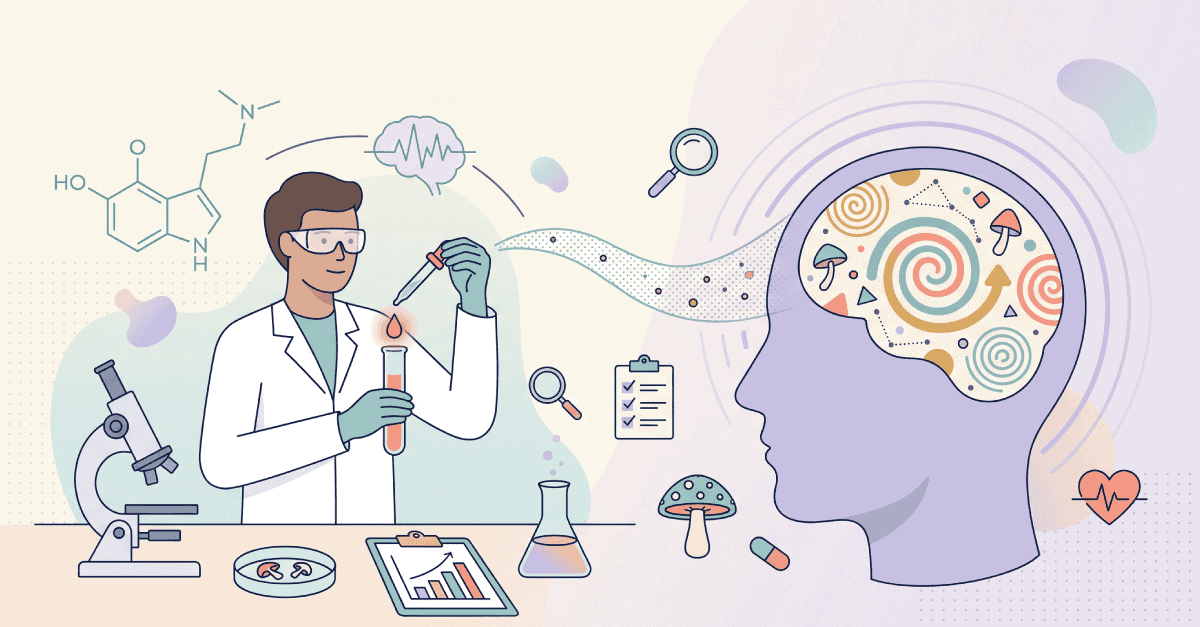
Interest in psychedelic drugs has grown dramatically over the past decade, fueled by promising research into psychedelic-assisted psychotherapy for conditions such as treatment-resistant depression, post-traumatic stress disorder (PTSD), and anxiety. Alongside this scientific interest, a growing number of people have begun “microdosing” psychedelics in hopes of improving mood, creativity, focus, or overall well-being.
While anecdotal reports are common, the scientific evidence supporting these practices remains limited, and important safety concerns remain. In this article, we’ll look beyond the headlines and personal testimonials to examine what current scientific research says about the potential benefits and risks of psychedelic microdosing.
What Are Psychedelics, and What Is Microdosing?
Psychedelic drugs are substances that temporarily alter perception, mood, thoughts, and the sense of self by affecting brain chemicals, particularly serotonin. At higher doses, they can produce vivid hallucinations or altered states of awareness.
Common psychedelics include:
- Psilocybin and psilocin (magic mushrooms)
- LSD (lysergic acid diethylamide)
- Mescaline (peyote)
- DMT (N,N-Dimethyltryptamine)
- Ketamine
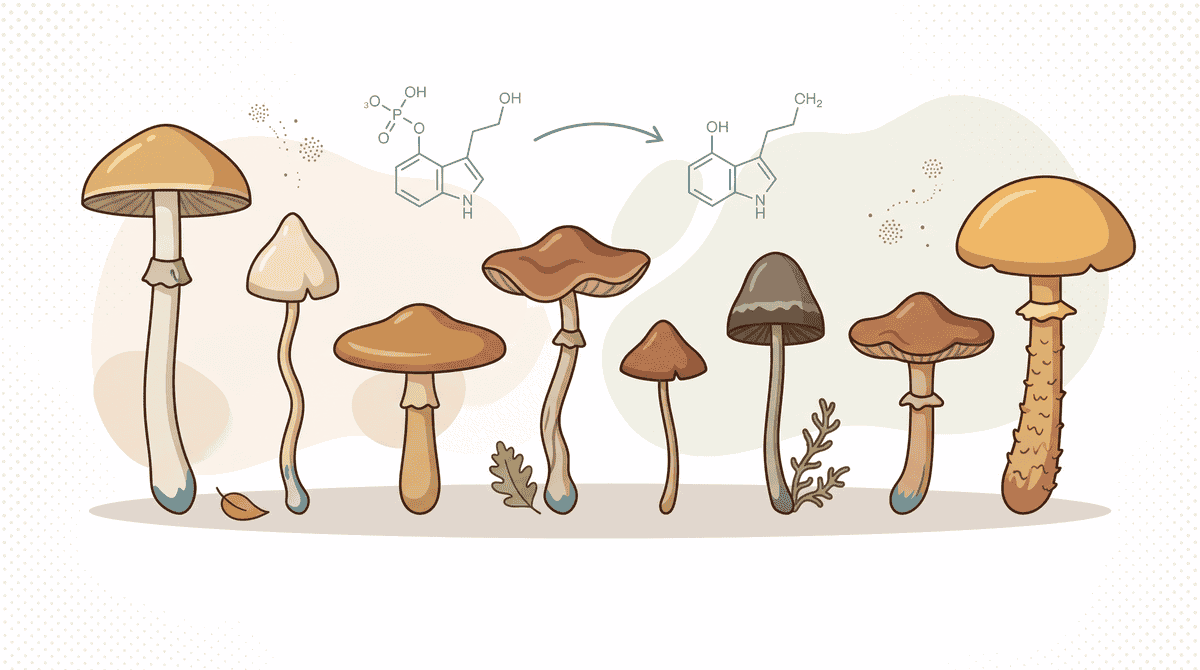
Although most psychedelics are illegal under United States (US) federal law, some states are decriminalizing the possession of certain types and are streamlining their accessibility for research and medical use. Ketamine, however, has been in medical use in the US as a dissociative anesthetic since 1970.
“Microdosing” refers to taking a very small amount of a psychedelic substance—typically about 5% to 10% of a typical recreational dose—on a regular schedule, such as every few days. Unlike full psychedelic doses, microdoses are intended to produce little or no noticeable hallucinogenic effects while potentially offering improvements in mood or cognition.
Why Are People Microdosing?
Individuals who microdose commonly report doing so to:
- Improve mood
- Increase creativity
- Enhance concentration and productivity
- Reduce symptoms of anxiety or depression
- Improve emotional resilience
- Increase mindfulness or spiritual well-being
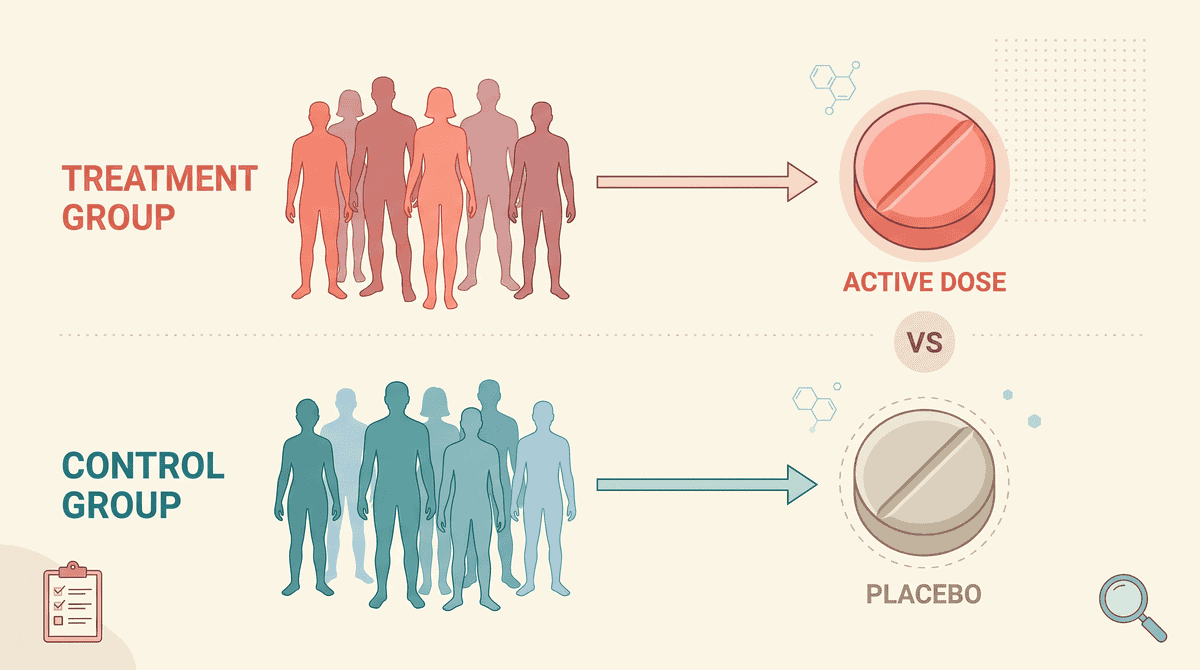
Many of these claims originate from personal testimonials and online communities rather than high-quality clinical trials. Although these experiences may be genuine for some individuals, they don’t necessarily prove that the psychedelic itself is responsible, since placebo effects can be significant. Well-designed randomized controlled trials (RCTs) that include placebo groups are needed to determine whether the reported benefits are truly caused by the drug or simply reflect the placebo effect.
What Does the Research Show?
The scientific evidence surrounding microdosing remains mixed. Several observational studies have reported that people who regularly microdose describe improvements in mood, optimism, life satisfaction, and perceived creativity. However, these studies rely on self-reported outcomes and cannot determine whether the improvements result from the drug or other factors.
More rigorous placebo-controlled RCTs have produced less-convincing findings. Many such studies have found little or no measurable improvement in cognitive function or mood (including depression or anxiety). While there’s good quality research supporting the use of full-dose psychedelics and intense psychotherapy for treating PTSD, there’s virtually no research supporting microdosing for PTSD.
When benefits are observed, they are often small and sometimes no different from placebo effects. Researchers increasingly believe that expectancy may account for many reported positive experiences. That doesn’t necessarily mean microdosing is ineffective. Rather, it means that current evidence is insufficient to recommend it as a way to improve cognition or as a treatment for any condition. Larger, longer-term RCTs are still needed.
Potential Risks
Although microdoses are much smaller than recreational doses, they’re not necessarily risk-free. Possible short-term side effects include:
- Anxiety
- Irritability
- Insomnia
- Increased heart rate
- Elevated blood pressure
- Headache
- Nausea
- Addiction
Some individuals experience worsening rather than improvement of anxiety symptoms. People with bipolar disorder, schizophrenia, or a personal or family history of psychosis may be at increased risk of experiencing psychiatric complications. For these individuals, psychedelics may trigger manic or psychotic episodes, even at low doses.
Psychedelics may also interact with medications that affect serotonin signaling, including certain antidepressants, although the clinical significance of these interactions remains uncertain. Anyone taking prescription psychiatric medications should consult their healthcare provider before considering psychedelic use.
Researchers know very little about the long-term safety of repeated microdosing. Some laboratory studies suggest that repeated stimulation of certain serotonin receptors—particularly the 5-HT2B receptor—could theoretically increase the risk of heart valve disease. While this possibility hasn’t been proven in people who microdose psychedelics, it remains an area of concern.
Because microdosing has become popular only relatively recently, long-term safety studies are still lacking. Researchers also don’t yet know what, if any, long-term adverse effects may occur, and which individuals may be particularly vulnerable to adverse effects.
Product Quality
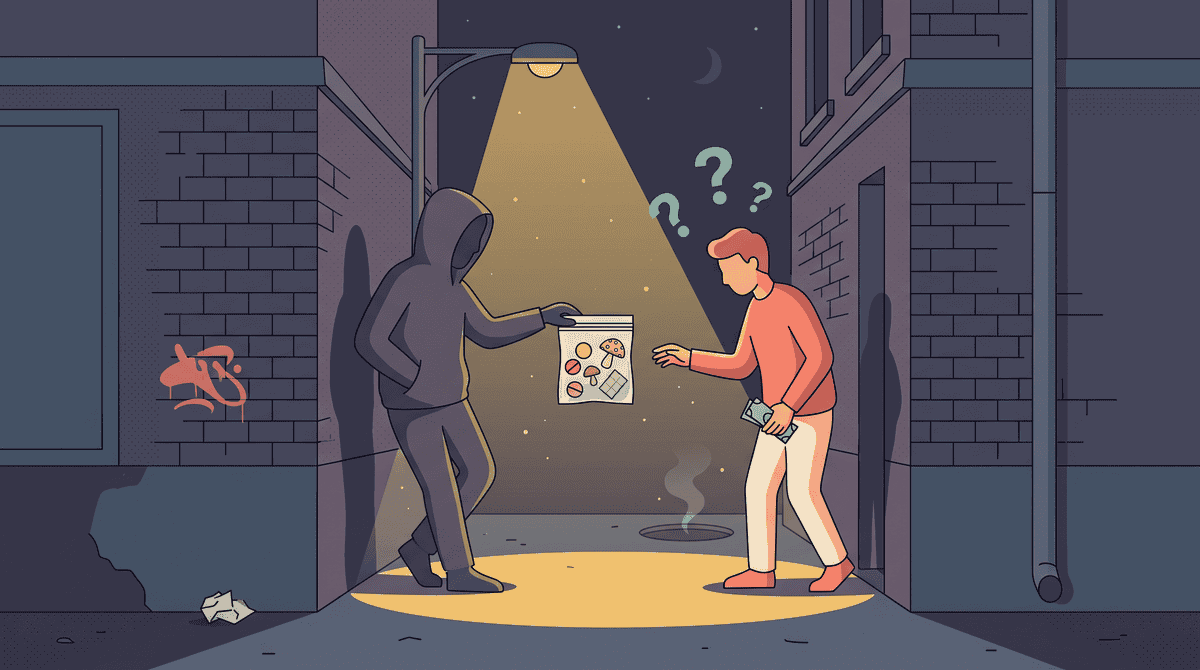
Psychedelic products remain largely illegal and unregulated in the US, so products sold online or through informal sources may:
- Contain inaccurate doses
- Be contaminated with other drugs
- Contain entirely different substances than advertised
- Vary considerably between batches
This unpredictability undermines effectiveness and increases the risk of adverse events.
The Bottom Line
Microdosing psychedelics has attracted considerable public interest, but the science hasn’t yet caught up with the enthusiasm. While some people report meaningful improvements in mood or well-being, well-designed clinical studies have produced inconsistent evidence, and many reported benefits may reflect placebo effects rather than direct drug action.
At the same time, researchers continue to investigate important safety questions, including cardiovascular effects, psychiatric risks, medication interactions, and long-term outcomes. Until stronger evidence becomes available, most medical experts recommend caution and advise against viewing microdosing as a proven treatment for depression, anxiety, or other mental health conditions.
References
Frontiers in Human Neuroscience medical journal
Biological Psychiatry: Cognitive Neuroscience and Neuroimaging medical journal
Medicina medical journal
Molecular Psychiatry medical journal
eClinical Medicine medical journal
American Psychological Association website
Johns Hopkins Center for Psychedelic and Consciousness Research website
Neuropsychopharmacology medical journal